
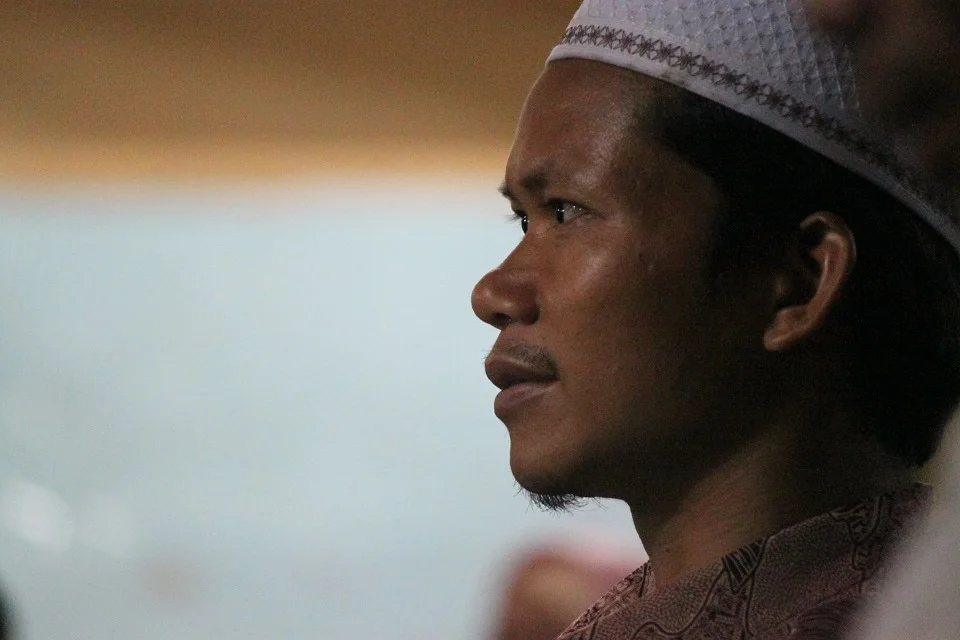

I was invited to a seminar on the life of Muhammad. In fact, a representative of the mosque had hand-delivered the invitation to the church. It was a reminder to me of the religious and cultural diversity of our city – and it impacts how we witness about Jesus. Let me explain how I responded to the invitation.
A visit to the mosque
When I called the number on the invitation, a friendly voice answered, and we arranged a visit. At the mosque, we spoke first about our families, his move from Pakistan to Canada, and the life of their community. I explained that I couldn’t attend the conference but wanted to understand more about what they believed. Then I shared a story about a family I know.
What to do with a son’s disobedience
The parents in this family were hard-working, moral people who raised their children to know right and wrong. But when their teenage son fell in with the wrong crowd, he began stealing from convenience stores and bookstores. When his mother discovered what he had done, she called her husband at work to explain what she knew.
I paused in the story and asked my new friends how their faith would respond to such a boy. One said he needed strict admonishment. Another explained that we will all be judged for our works and that if our bad deeds outweigh our good, we face God’s judgment. I asked whether someone could ever go too far—so far that no amount of good could make up for their wrong. They agreed that some people do go too far and must be punished. I listened carefully, wanting not to argue but to understand.
A father’s costly grace
Then I told them what my friend’s father had chosen to do. The father came home and, instead of admonishing him, he asked his son to write down every store he had stolen from and what he had taken. Then they drove together to each shop, where the father apologized to the owners and handed them envelopes of cash, more than covering their loss.
His son never forgot that day. Years later, he said it was the first time he truly grasped what the Bible teaches about sin, substitution, and grace.
He had heard as a child how Abraham was willing to sacrifice his son, Isaac, and how God provided a ram in his place as a substitute. Abraham commemorated the event by naming the mountain, Moriah, meaning “The LORD will provide.” Two thousand years later, on a hill near that same mountain, God provided His own Son as the substitute for our sins.
The young man came to see that his father’s costly act of love pointed to what God did for us in Christ. Filled with gratitude for that mercy, he dedicated his life to serving others and now pastors a church, sharing Christ’s love, not to earn God’s approval, but out of thankfulness for His forgiveness and grace.
Lessons from a Mosque Conversation
It wasn’t a perfect witnessing opportunity, and there are limits to what can be accomplished in a single visit, especially inside a mosque. But there were valuable lessons to take away.
1. Listen before you speak
Before visiting, I spent half an hour learning about that sect’s beliefs. I prepared questions and a story that would touch on their view of salvation by works and their respect for Abraham.
2. Ask questions you’d like to answer
When people respond to your questions, it’s natural to offer your own perspective. Their group’s founder claimed to be the second coming of Christ. If that had come up, I was ready to ask how they had come to believe it and then explain why I believe Jesus’ claim to be the Messiah is true.
3. Share, don’t argue
Rather than debating, it’s often more powerful to let someone explain their faith and then lay out the gospel clearly for comparison. As they heard how Jesus bore our sin at the cross, I hoped they sensed how much deeper this grace is than the religion of works they described.
4. Use stories to bridge to the gospel
Stories disarm and connect. Testimonies, whether your own or another’s, often move hearts more than arguments. God uses them to reveal His grace in relatable ways.
We can’t reach people in our diverse world by just memorizing a pitch. But we can grow in compassion, curiosity, and courage. When we listen well, ask thoughtful questions, and share the story of Jesus with gentleness and love, we follow the same pattern our Lord modelled, meeting people where they are and pointing them to the One who saves.
In awe of Him,
Paul