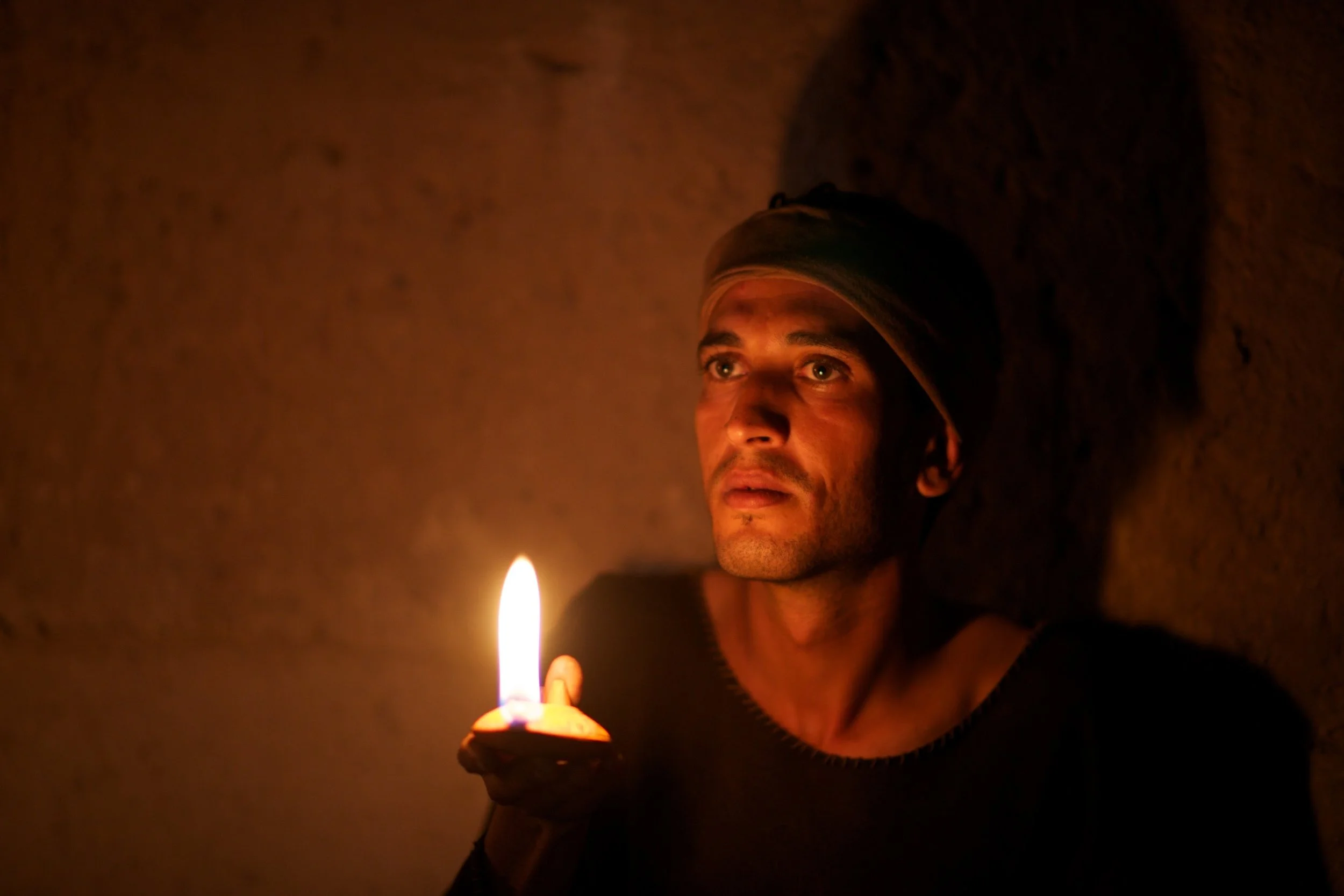


Serving as a missionary in Japan was one of the greatest privileges of my life. I also experienced some of my greatest trials, however. The isolation, rejection, and spiritual darkness were real. Projects I poured energy into failed. People I invested time in walked away. And sometimes people, in their brokenness, said and did some cruel things. One of the habits that sustained me, surprisingly, was the discipline of writing a regular prayer letter. The elements that made that so restorative for me could help anyone looking for greater perspective and hope in their life.
1. Look for the grace in your story
You can have ten good things happen, and all it takes is one negative comment to ruin your day. Writing a prayer letter forced me to ask, “Where is God at work? Where do I see His blessings?” Just asking those questions helped me see that there was so much that I could be grateful for. I realized that I was often letting the negatives overshadow the positives. Psalm 103:2 teaches us to say, “Bless the LORD, O my soul, and forget not all his benefits.” Writing a prayer letter encouraged me in this principle and made me more grateful. Whether in a journal, a social media post, or a nightly prayer, looking for God’s goodness can reshape your perspective.
2. See your hardships in light of God’s purposes
I remember a huge ministry discouragement. So much time invested. So much money spent. So much prayer offered up. And it all seemed to be for nothing. If it were just me, I might have wallowed in discouragement or just moved on in confusion. Writing a prayer letter pressed me to re-evaluate my struggles in light of who God is and what He is doing. I asked questions about my goals—God had asked me to be faithful, but I had somehow made it about my success. I asked questions about my motivation—God wanted me to please Him, but I had to admit that I was thinking more about my own fulfillment. The more I thought about God’s perspective, the more hopeful I became, and the more content I felt. I think that’s what Joseph did in Genesis 50:20 when he famously said, “You meant evil against me, but God meant it for good.” Seeing your hardships in light of God’s purposes changes things.
3. Trust His strength for your needs
The main thing you need for a prayer letter is, of course, prayer requests. Writing those letters helped me to ask, “How does God want me to pray about this?” It helped shift my focus from my problem to what God might be able to do about it. Colin Smith said something like, “Worrying is just remembering your needs but forgetting God’s power, goodness, and faithfulness.” Prayer is the opposite of worry. It takes the weight off my shoulders and puts it onto God’s, and He’s never burdened by it. That’s what it means in 1 Peter 5:7 when it speaks of “Casting all your anxieties on him, because he cares for you.”
Sometimes our prayers can sound more like panicked demands than trust in a Father who knows best. Taking the time to write out a prayer and consider your request in light of who God is and what He might want to do in your situation can help you engage God more effectively and trust Him more fully. That’s what writing a prayer letter did for me—maybe the same thing could help you.
In awe of Him,
Paul