Recently, I had a comment from a listener who said, “If you give the same Bible to two billion people and tell them to interpret it for themselves, won’t they come up with more than two billion interpretations?” They then explained that the Catholic solution to this problem is the Pope. I'd like to consider the problem the listener raises and the solution that he offers.
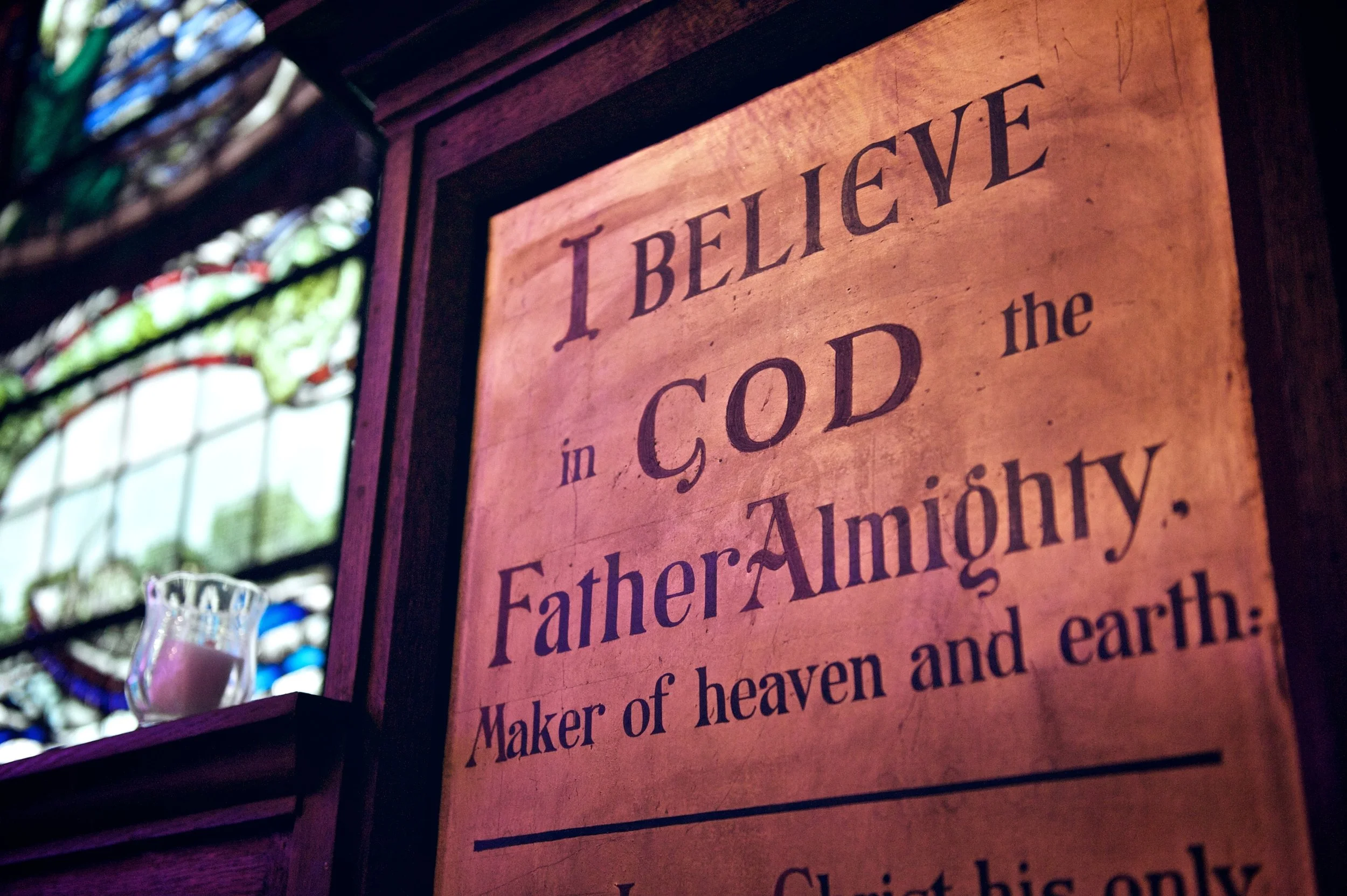
Many Christians are nervous of creeds assuming that they put tradition in the place of the Scriptures. But the Bible itself contains creeds, and historic confessions have guarded the church from error. This post explains why creeds matter and how they serve biblical faithfulness.
With so many Christian denominations, you can get the impression that nobody agrees. That’s not the case. There are 3 main differences between Christian denominations and one question you can ask to decide between them.
It’s easy to put other Christians and other churches who have rejected God’s commands in a different category from ourselves. We say things like, “I can’t believe they did that,” but our surprise says more about us than it does about them.
If you find yourself rushing through your reading, deliberately slow down. The Bible doesn’t TikTok well. Our digital scrolling trains us to skim but God’s Word needs to be stored and hidden deep within us to have its effect.
The first place to start in understanding how Catholics and Protestants differ is in how they view the Bible. Catholicism teaches that Scripture and Tradition have equal authority while the Protestant church has held that the Bible is the only authoritative standard by which everything else is judged. This is the difference behind all the other differences.
It’s hard not to be cynical in our world today. Internet ads make ridiculous claims to unwary consumers. Fake testimonials promote bogus products. Glory-seeking preachers claim miraculous healings. One by one, the frauds are exposed, but they’re replaced by new ones just as quickly. Not surprisingly, objective, rational people are left scratching their heads. Why can’t people be more critical? Why don’t they check the facts? Why won’t they listen to science? Enter the gospel stories. While they contain some good teaching and moral advice, the claims of miracles make them hard for a rational person today to take seriously. Walking on water? Feeding the 5,000? Giving sight to the blind? What do you do with these?
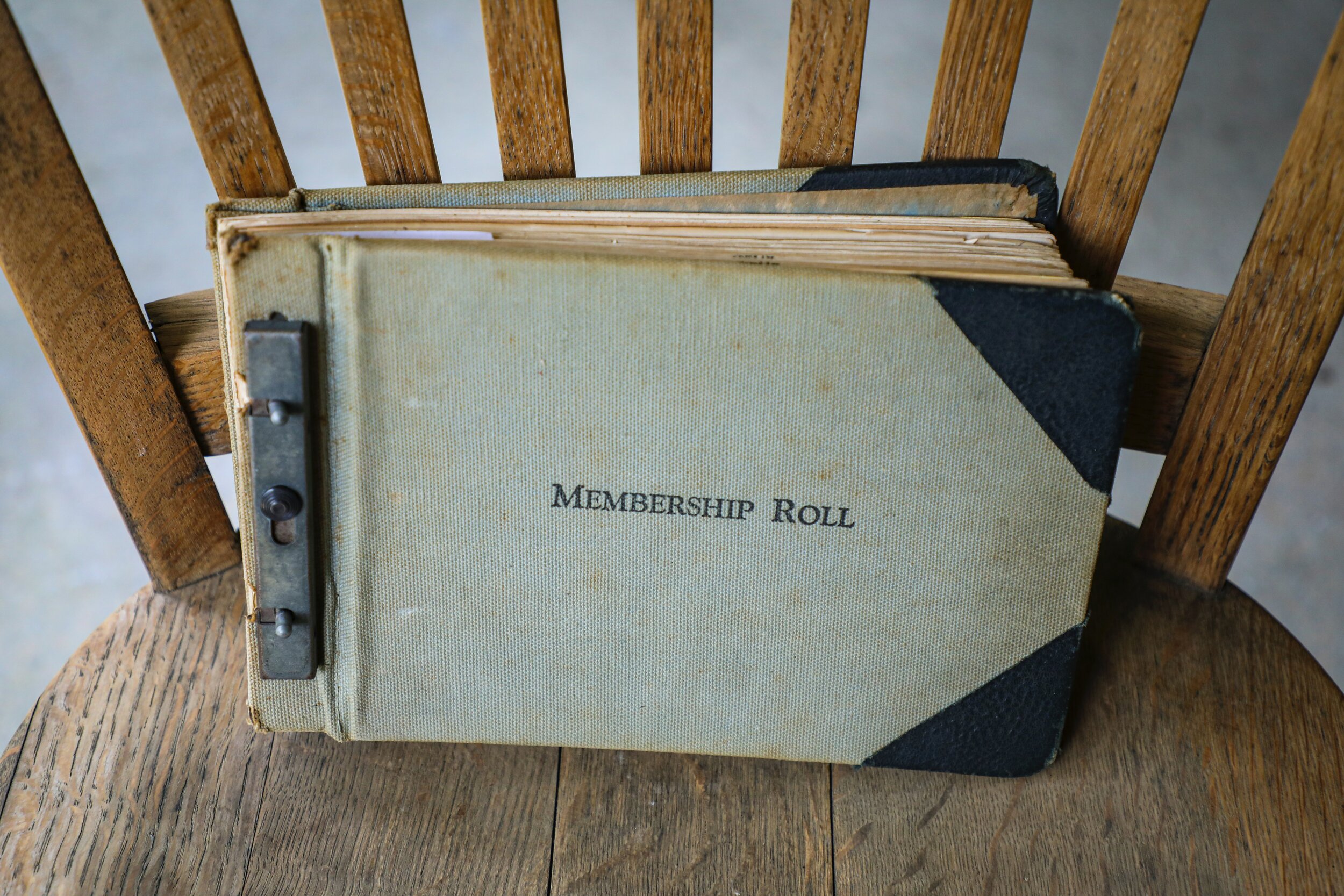
For many people, the process of becoming a church member feels hidden and obscure. So much so, that some people assume that they are members just because they’ve been attending a church for a certain period of time. On the other hand, there are people who think that they need to be invited to become members or achieve a certain ‘level’ before they’re deemed worthy. This is not the case. Let me explain why there is a formal membership process and what it consists of.
There are as many views of what the church is today as there are people. For some, the church is a historical building. For others, it’s a place the community gathers for weddings, funerals and potlucks. For others, it’s a hub of volunteer activity. Some people see it as a religious service provider where they can get their spiritual boost for the week – a little bit like a movie theatre highlighting Christians topics. But how did Jesus think about the church? You may be surprised to learn that the word, “church,” only appears three times in the gospels. But what it teaches about Jesus’ vision for the church is profound and is at odds with how we typically understand it.