So, you’ve decided to read the Bible. You open the passage. You read it a couple of times and you notice some interesting things. Your curiosity takes over. Why is that there? Why is it phrased that way? Why didn’t they say this instead? Before you know it, you’ve spent the entire time you had set aside for Bible study going down rabbit holes and, in the end, learning very little about what God was likely trying to teach you. I had an experience like this yesterday. And it reminded me how critical it is to look for the right things and ask the right questions as you read the Word of God. Missing the forest for the trees is a real danger in Bible study and it’s one that we can all avoid. Let me explain.
Have you ever wondered how much confidence you should put in the four gospel accounts that open the New Testament? Are they just legends? Should we read them as reliable accounts of what Jesus actually did? Could they have preserved Jesus’ teachings after such a long time? These are questions I asked when I first began to investigate Christianity, but a course that I’m taking in the gospels with Wayne Baxter this term has given me greater clarity in understanding them. Let me share what I’ve learned.
It’s hard not to be cynical in our world today. Internet ads make ridiculous claims to unwary consumers. Fake testimonials promote bogus products. Glory-seeking preachers claim miraculous healings. One by one, the frauds are exposed, but they’re replaced by new ones just as quickly. Not surprisingly, objective, rational people are left scratching their heads. Why can’t people be more critical? Why don’t they check the facts? Why won’t they listen to science? Enter the gospel stories. While they contain some good teaching and moral advice, the claims of miracles make them hard for a rational person today to take seriously. Walking on water? Feeding the 5,000? Giving sight to the blind? What do you do with these?
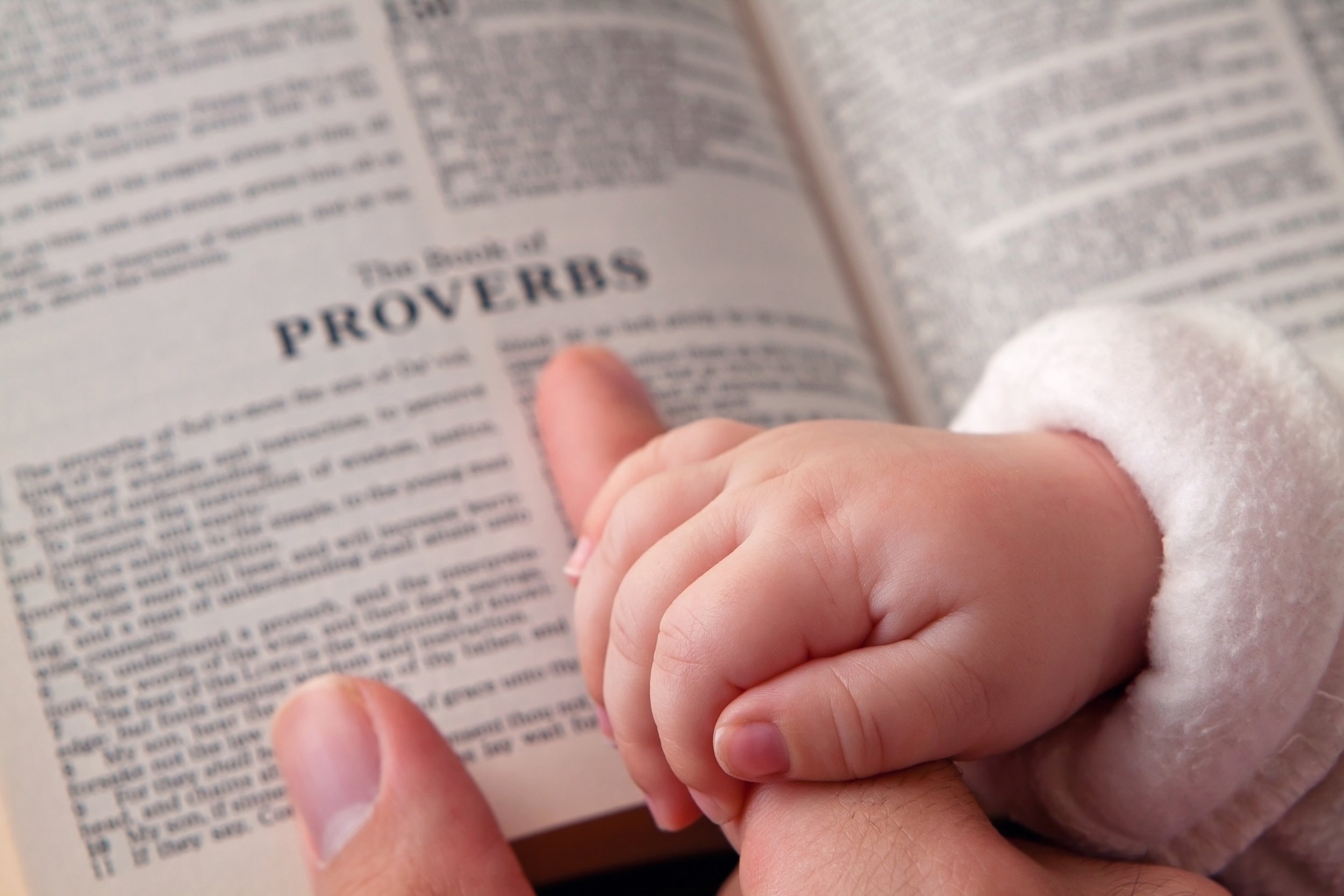
Last time I talked about the importance of learning Proverbs with your children. The problem remains though: how do you teach them? Because there are thirty-one chapters, many advocate reading a chapter every day of the month. There’s probably value in that practice, but with younger children, I’m convinced that less is more. Let me share a few of the things that helped us.
Over the years, we’ve done many different things for family devotions. But learning verses from the Book of Proverbs has been a highlight. I think Proverbs has had the biggest impact of any book of the Bible in helping my parenting and shaping our family’s character. Let me share what I’ve learned about why learning Proverbs with your kids is so helpful.
When I was in university, I tried to tackle some of the Russian classics on my summer break. At first, I found the complexity of them overwhelming. The challenge was that they had so many characters and they all had multiple names and different people used different names to refer to each other depending on the nature of their relationship. I came to the conclusion that you need to be prepared to just spend the first hundred pages trying to figure out who everyone is and how they’re connected. Once you get past that, they’re fascinating stories. Those books showed me the importance of a reading strategy.
Bible reading is a little bit like weight loss, if you could pay someone to get the benefits from it, you probably would. Many people start off reading the Bible with excitement, but discouragement can set in. Most of us aren’t great readers, to begin with. And when we do read books, we usually aren’t reaching for ones that are 1,200 pages long and 2,000 years old! Our motivation for reading the Bible is that God is trying to speak to us through it. And that conviction alone is enough to get you started. But there are three ingredients that I've found to be important in helping someone maintain a regular habit of daily Bible reading. Let me share them with you.
I remember meeting with someone who had begun attending our church. They wanted to know how tolerant our church was. Before I answered their question, I asked them one of my own. “If you became convinced that the Bible didn’t meet your definition of tolerance, would you throw out the Bible or your definition of tolerance?” My point wasn’t that the Bible is intolerant, but before I began the conversation, I needed to understand whether I was trying to defend the Bible or explain the Bible. Was the Bible the authority that helped them evaluate all their other beliefs, or was a certain view of tolerance the standard by which they would evaluate the Bible? After a long pause, they decided that if the Bible didn’t agree with their definition of tolerance, they would abandon a commitment to their definition of tolerance and accept the Bible’s. Sooner or later, everyone who reads the Bible needs to make a similar decision. Will we treat the Bible as a nice book, even one of our favourites? Or will we put it on the top shelf, in a class all by itself, with ultimate authority in our lives?
Very few people want to discard the Bible altogether. It’s a holy book after all, and there are passages in the Bible that even the most cynical atheist would admit are beautiful and inspiring. But, sooner or later, everyone finds parts of the Bible that make them feel uncomfortable. There are teachings that disagree with what we believe. There are commands to do things we don’t want to do. And there are warnings against doing things that we want to keep on doing. When we come to one of those uncomfortable places, we’re tempted to conclude, ‘That part must be wrong.’ If the Bible contains errors, then we get to pick and choose the parts we like. So, how true is the Bible? Does it contain mistakes? How can we know? These are important questions to settle in your mind.
I didn’t use to think that I needed to take the Bible too seriously. I assumed that its message had gotten passed down through the centuries a little bit like the telephone game. That’s where everyone lines up and whispers a message from one person to the next down the line and when the last person says what they’ve heard, we all laugh at how garbled the message got along the way. Once I had done some investigation, I realized how wrong my assumptions had been. Over the years, I’ve talked to so many people with the same assumptions that I wanted to address how the transmission of the Bible differs from the telephone game.