Today's post is by guest contributor, Christian Clement-Schlimm. Because it's the 500th anniversary of the Reformation, and because of Christian's background in history, I've asked him to share what the Reformation was and what it means for us today.
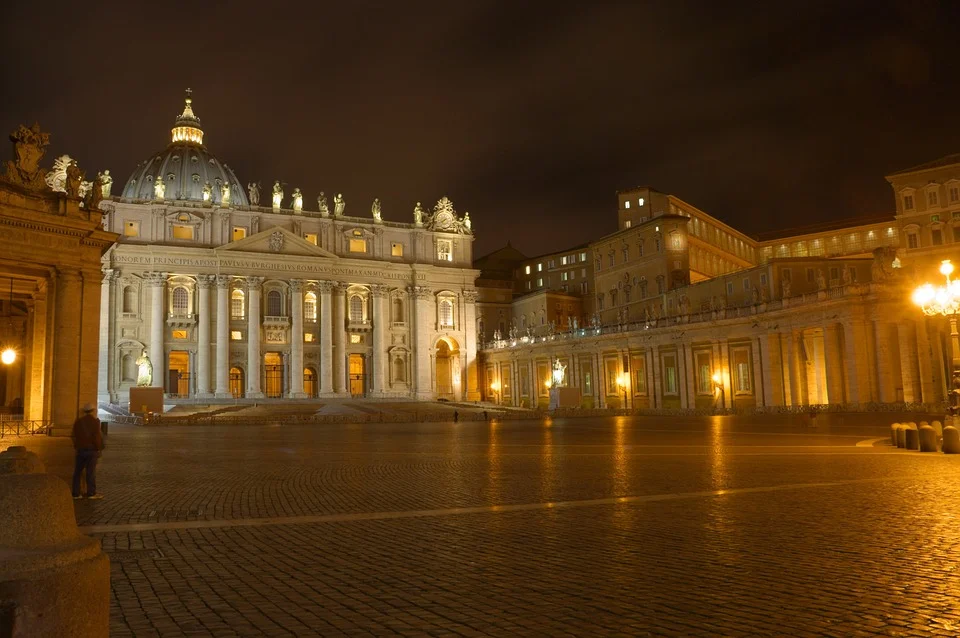
Growing up I often faced the question, “What’s the difference between Catholic and Christian?” This was not because I was engaging in deep theological study of religious topics, but rather because from grades 3 to 12 I attended Catholic schools and identified myself as a Christian. While my answers to this question changed as I began to understand more aspects of our Christian faith and the faith of my Roman Catholic friends and family, it was a question constantly asked as the other kids noticed a difference. Due to my parent’s discipleship and Sunday School training, I would noticeably excel in the required religion classes which largely focussed on the Ten Commandments and the Beatitudes. On the other hand, I would not participate when the class would spend months learning the Hail Mary prayer in Italian or receive communion during the Masses run by the school priest. In university, the question would still be asked but the context would change. At the University of Toronto, I attended the Roman Catholic college, whose chancellor also happened to be the Roman Catholic Archbishop of Toronto. While, to my memory, the Reformation was never mentioned in my days of grade school, at school or church, it would be one of several central topics when speaking with Roman Catholic friends and classmates on campus, especially those in my history program. It was during this time that I came to fully understand what was at stake and how an event now 500 years old was still supremely relevant to my attempts to share and defend my faith on campus.
Yesterday, I had my ordination council. It’s kind of like a bar exam for a pastor. It doesn’t make me a pastor but it licences me as one. Thankfully, after three hours of gruelling questions from a room full of visiting pastors, I was recommended for ordination and am now taking care of some of the paperwork toward finalizing everything. There will be an ordination service at Grace in the coming weeks. I was asked many questions about all kinds of areas of theology and pastoral ministry. There was one question that is often asked of candidates that didn’t come up though, “What is a baptist?” Could you answer that question?
Before my time, the 60’s boy band, the Monkees, recorded a song called Shades of Gray with the following words: “But today there is no day or night; Today there is no dark or light; Today there is no black or white; Only shades of gray.” If they thought there were only shades of grey back in the 60’s, what would they say today? Surely, in our generation there is even more fuzziness in people’s thinking. On Sunday, we had the joy of celebrating a baptism. And later we looked at Revelation 20 and saw that two books will decide the fate of all people. While I didn’t plan to connect that passage with the baptism, ever since I’ve been thinking about the relationship between them. What strikes me is how black and white they are to our world of grey.
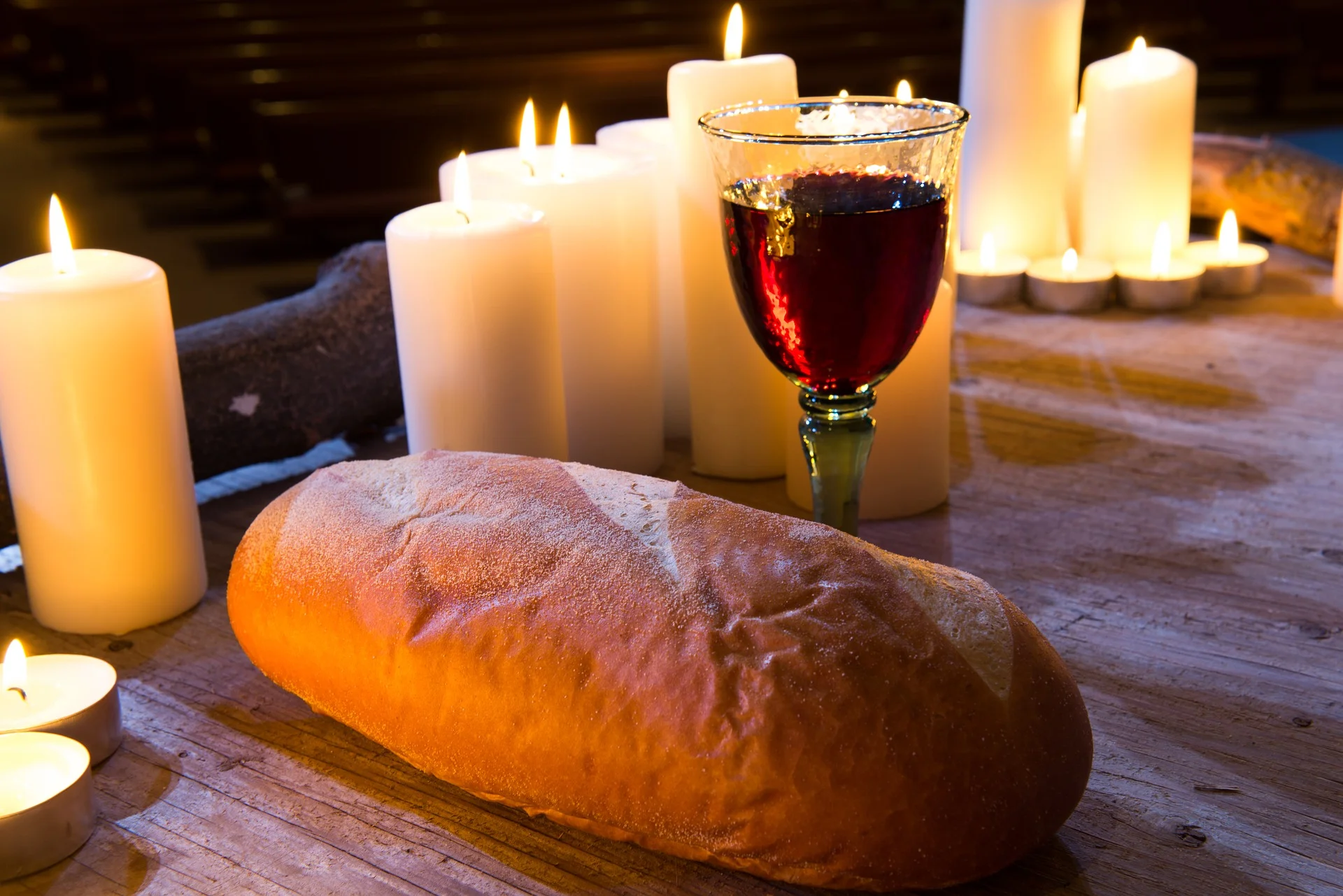
An engineer I met in Japan once talked with me about how he had come to trust in Jesus Christ. He shared that when he came to the church he was moved by how welcoming everyone was. He was welcomed to attend. He was welcomed to share meals together with them. He was welcomed to help out in various ways. And he was welcomed into people’s lives. He felt so welcomed, that after a little while, he said he could have gotten the impression that he was one of them. But every month when the church celebrated the Lord’s Supper, explanation was given that it was just for believers – it was the only time when he was ‘not welcome’ to participate. You would think it might have turned him off. In fact, it had the opposite effect. As he attended church each week, he felt himself growing nearer and nearer to Jesus and the teachings of the Bible, but at Communion he was reminded that there was a line he hadn’t yet crossed. He realized each time that he hadn’t yet opened the door of his life to faith in Jesus. And having yet refused to welcome Jesus’ work in his life by faith, he was not welcome to participate in the celebration of the work that the Lord’s Supper symbolizes. His story makes me wonder how many people have thought through who should participate in Communion and why. And why the Bible warns that participating in the Lord’s Supper “in an unworthy manner” leads to guilt and even judgment from God.
There was an issue that got a surprising amount of attention in last year’s U.S. Presidential election. And I don’t think I’ve ever heard it mentioned in political debates before. I’m not talking about taxes, or immigration, or public debt or reviving the economy. The issue was the human body. ‘Body shaming’ made its way into the race for political office as people discussed whether it was appropriate for a would-be President to refer to people’s weight in such demeaning terms. Now that the election is over people are thinking about the human body for other reasons. Many of us overate during the holidays and are pondering New Year’s resolutions and gym memberships. Recent studies indicate that a person’s theology of the body – what they believe about the nature of the human body – has a big impact on how they feel about their own body. With all of the negative messages our culture sends about body image, clear biblical thinking in this area could surely help all of us.
Every once in a while, something will happen that seems too remarkable to be a coincidence. And yet we struggle to ascribe it to God. The idea of a God who’s in control seems to limit our freedom in a way that feels uncomfortable. Let’s consider what the Bible teaches about coincidences and the extent of God’s sovereignty.
What comes to mind when you think of McMaster University? Great medical school? Decent football team? Large, sprawling campus? Whatever image you have of McMaster University, you probably weren’t aware that, more than anything else, it was once what drew Baptists in central Canada together, and then split them apart - understanding how is an important part of the history of the Fellowship of Evangelical Baptist Churches of Canada.
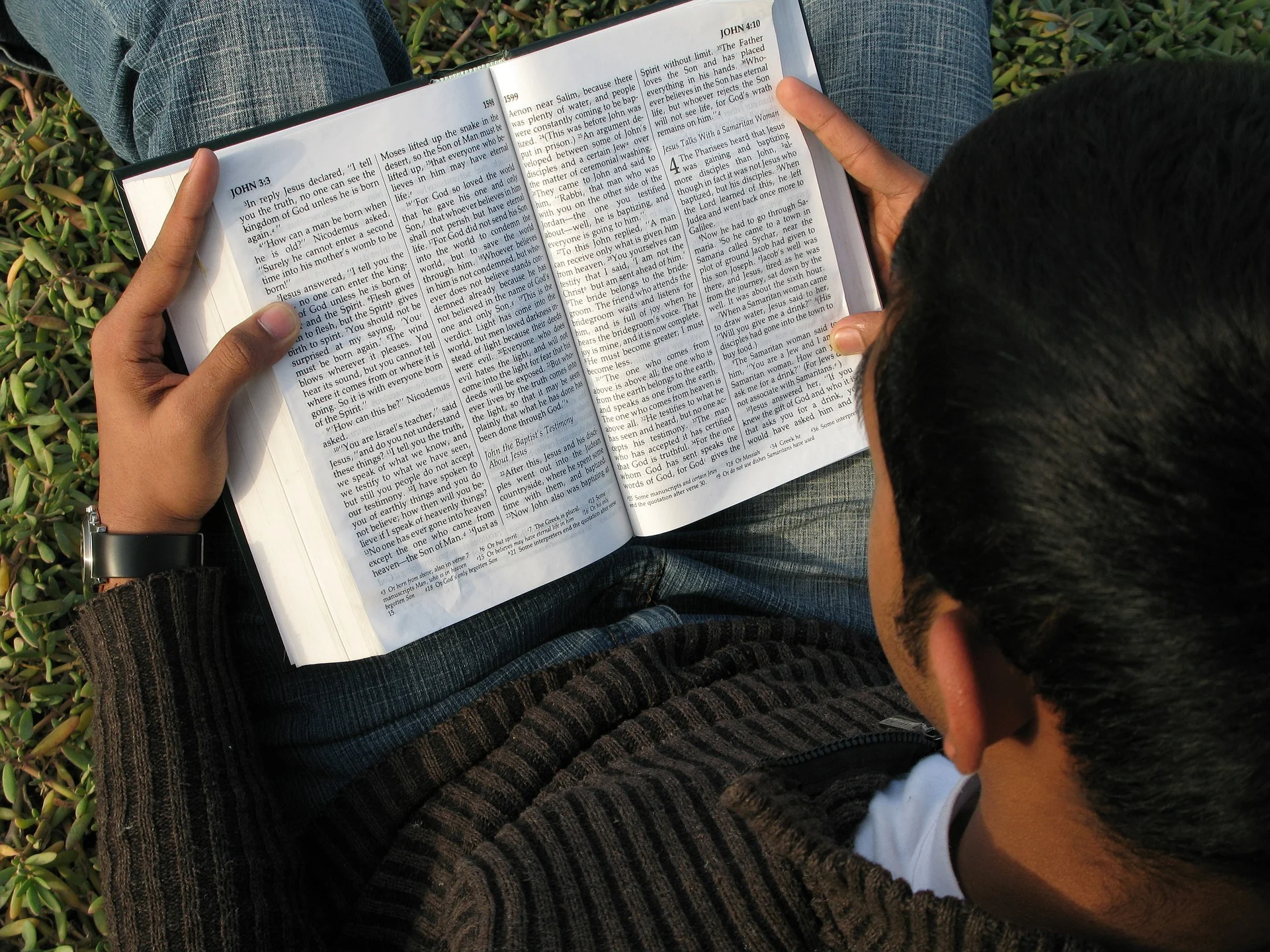
I remember a conversation I had with someone I had been studying the Bible with and they said to me, “I don’t know what to make of the Bible.” Before they had started reading it, they assumed the Bible was a book of legends – amazing stories intended to communicate spiritual truths. But as they began to read, they realized that the Bible contained too much detail and first-hand witness to read it as a fable. It seemed like a collection of letters, speeches and historical accounts. The problem they had was that it also spoke of things they found too remarkable to be true. And so they were at a loss to know how to read the Bible. I think a lot of people have drawn similar conclusions.
What do you believe happens when you die? LifeWay Research uncovered some surprising contradictions in people’s views about the afterlife and salvation. Why are so many confused, and what does the Bible really teach?
A recent LifeWay Research survey reveals that almost half of all self-identified Christians believe that God accepts the worship of all religions. Are they right? And if not, why not?