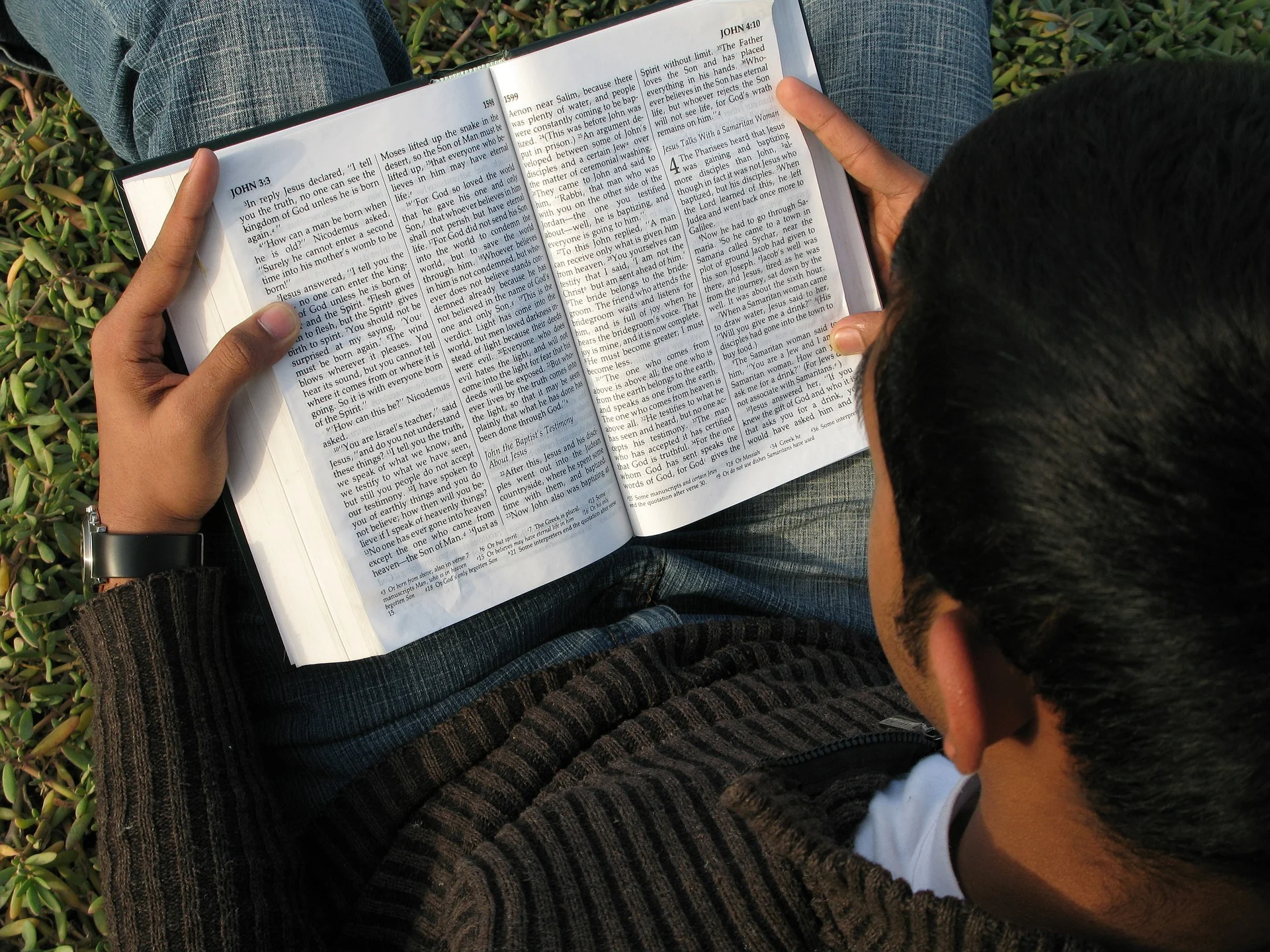
I remember a conversation I had with someone I had been studying the Bible with and they said to me, “I don’t know what to make of the Bible.” Before they had started reading it, they assumed the Bible was a book of legends – amazing stories intended to communicate spiritual truths. But as they began to read, they realized that the Bible contained too much detail and first-hand witness to read it as a fable. It seemed like a collection of letters, speeches and historical accounts. The problem they had was that it also spoke of things they found too remarkable to be true. And so they were at a loss to know how to read the Bible. I think a lot of people have drawn similar conclusions.
I spent the day on Monday with our missionary to urban First Nations people. It was an incredible day of learning for me as I heard not only his personal story but his insights into how our society has failed the First Nations people, what can be done, and how people are finding help from abuse, addiction and prejudice. When he spoke on Sunday, a number of people expressed an interest in hearing more about his background and road to recovery. I wanted to try my best to share his story for those who didn’t get a chance to hear it.
What do you believe happens when you die? LifeWay Research uncovered some surprising contradictions in people’s views about the afterlife and salvation. Why are so many confused, and what does the Bible really teach?
A recent LifeWay Research survey reveals that almost half of all self-identified Christians believe that God accepts the worship of all religions. Are they right? And if not, why not?
Most children learn to ride a bicycle by starting with training wheels. If we’re honest, training wheels look a little goofy. Riding with them is clunky at first. And no child wants to be hanging out with their teenage friends with the training wheels still on. But figuring out everything about riding a bike all at once is often too difficult for a child. The training wheels focus the adjustment and help the child get used to the mechanics of steering and pushing the pedals. After they’ve mastered this, they can focus more on balance. With the training wheels off and the basics figured out, a child might even try out some tricks. Starting with the tricks and ignoring the training wheels is a recipe for disaster, though. I think the same is true of parenting. I’m grateful for the advice I was given about paying attention to the various stages of parenting and what to focus on when. Let me share what I feel are the two most important areas to try and get right.
While guilt can be a clear-cut response to something specific we’ve done, shame is often a vague attack on our identity and value. And we don’t just feel shame over bad things we’ve done but we’re also affected with shame at the circumstances we experience. That’s why abuse and trauma are often accompanied by shame. And also why just asking for forgiveness doesn’t take it away.
I was 20 years old when I first raised the objection against Christianity: “If Jesus is the only way, what about all the people who have never heard?” I was pretty proud of my logic. And I think I half-believed that I was the first one to come up with the argument. “Had I single-handedly proven the inconsistency of a religion that spanned thousands of years and had duped hundreds of millions of followers?” It felt like it at the time, but I eventually came to think otherwise. I now believe I had a number of things wrong. Let me explain.
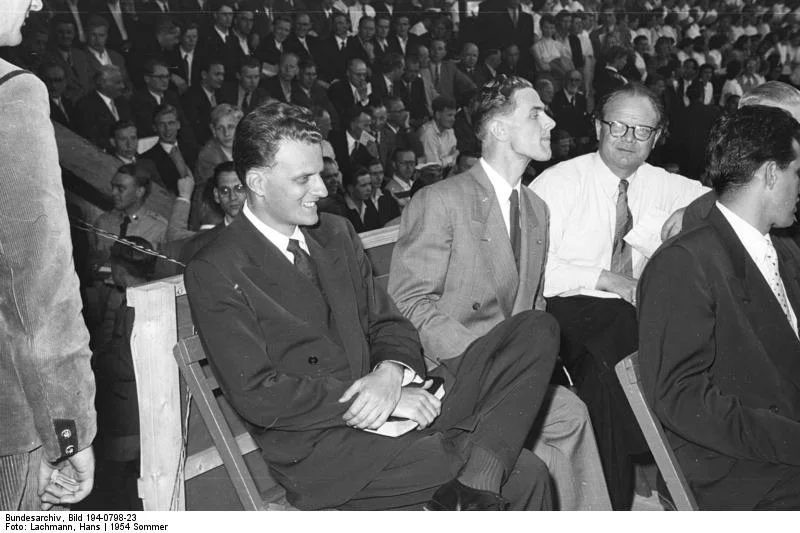
I’ve heard stories about evangelistic tent meetings. And while I’m sure there were obstacles and challenges, I’m always amazed at the simplicity that seems to describe them. Hold a meeting in the biggest room you can find and with the right speaker and almost everyone would come – and many would find new life in Jesus. Times have changed. And while I’m still envious of the simplicity of former days, I’m also amazed at the new ways that the gospel is bearing fruit in our day. There are four characteristics of effective evangelism that I’ve seen recently.
Couples that are dating will often talk about having a great “connection.” But in a survey developed by a doctor in psychology and family science and refined through over 4 million surveys in the last 35 years, there wasn’t a single question about connection.
I don’t think enough about how I think. Throughout the day I carry on dozens of conversations in my head and entertain a host of passing thoughts that range from dull to dangerous. Proverbs 4:23 compares the heart to the headwaters of a river or the groundwater of a spring: Keep your heart with all vigilance, for from it flow the springs of life. The proverb has always been vivid to me probably because I grew up hearing environmental lessons about how factory pollution was causing acid rain and killing our planet. So I can picture a clean, pure spring being poisoned at its source and affecting everything that flows from it. It’s a clear warning to guard your heart but leaves me unclear about how to actually do it.