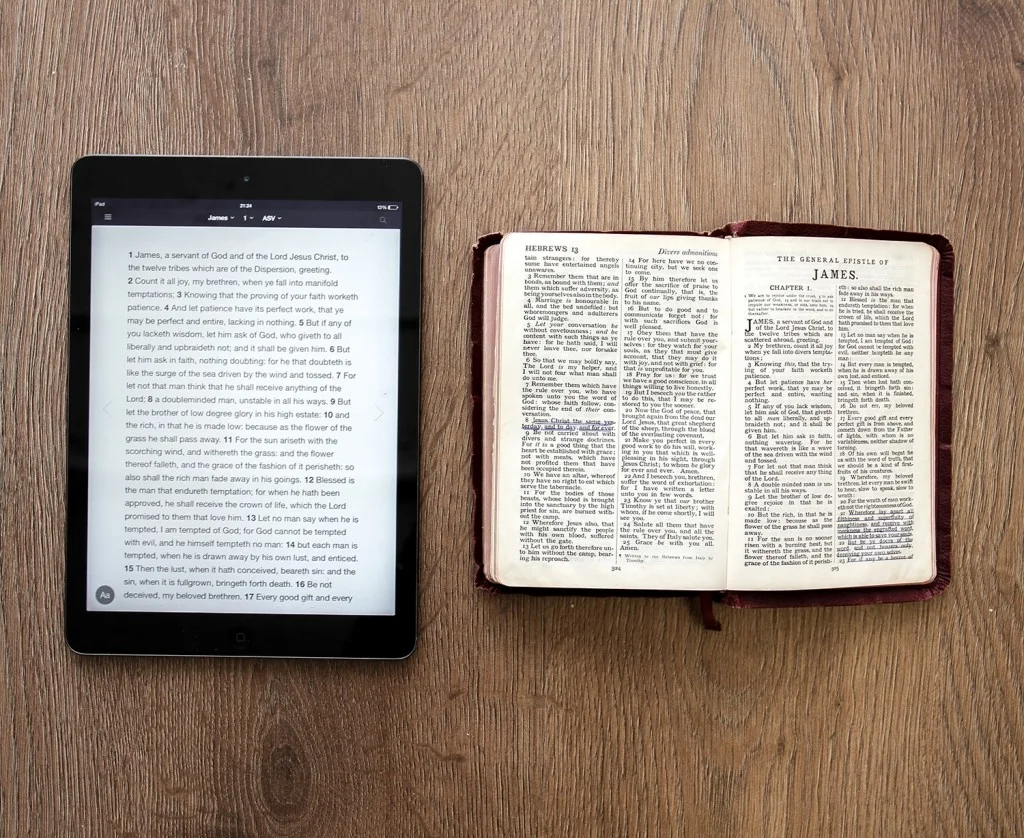
On Sunday we looked at some of the gender implications of Genesis 2:18, the verse that says, “Then the Lord God said, “It is not good that the man should be alone; I will make him a helper fit for him.” But there were many questions that time did not permit me to answer. Some people assume that the verse is a call to marriage. And Genesis surely does recommend marriage. But Jesus was never married. Did Jesus miss reading Genesis 2:18? Did He believe that “it’s not good for man to be alone?” Was Jesus “not good” in some way because He was single? The answer to those questions sheds important light on what this verse does and doesn’t teach.
An engineer I met in Japan once talked with me about how he had come to trust in Jesus Christ. He shared that when he came to the church he was moved by how welcoming everyone was. He was welcomed to attend. He was welcomed to share meals together with them. He was welcomed to help out in various ways. And he was welcomed into people’s lives. He felt so welcomed, that after a little while, he said he could have gotten the impression that he was one of them. But every month when the church celebrated the Lord’s Supper, explanation was given that it was just for believers – it was the only time when he was ‘not welcome’ to participate. You would think it might have turned him off. In fact, it had the opposite effect. As he attended church each week, he felt himself growing nearer and nearer to Jesus and the teachings of the Bible, but at Communion he was reminded that there was a line he hadn’t yet crossed. He realized each time that he hadn’t yet opened the door of his life to faith in Jesus. And having yet refused to welcome Jesus’ work in his life by faith, he was not welcome to participate in the celebration of the work that the Lord’s Supper symbolizes. His story makes me wonder how many people have thought through who should participate in Communion and why. And why the Bible warns that participating in the Lord’s Supper “in an unworthy manner” leads to guilt and even judgment from God.
The church has often been accused of being all about families and not about singles. I think the criticism is well taken. “Focus on the Family” is not only the name of an organization but it could also be used to describe many churches. I remember a Japanese pastor seeking my advice as to whether a single man he was mentoring could be considered for the ministry even though he wasn’t married. I responded with a strong “Yes,” but instead of just pointing to Jesus and the apostle Paul as justification, I pointed to the growing number of single adults in our society and the unique challenges they face. In the early 2000’s, adult single people outnumbered married people for the first time in Canada. And the temptations are greater than ever. That’s why I was glad to see the article by Tyler Velin entitled “Don’t Waste Your Singleness.” While the title sounds a little preachy, the principles he highlights are important.
At a neighbour’s home recently I met a young man from Iran who greatly encouraged me. Hearing of his life and education under the Islamic revolution was an eye-opener. You would think that being made to step on the American and Israeli flags at school each year as an act of renunciation of their policies would create a hatred of these nations. Instead, it created curiosity. You would think that religion classes would indoctrinate students in extremist Islam. Interestingly, Moses and Jesus seemed to him far more attractive than what he was taught about the prophet, Muhammad. Coming to Canada as a university student, you might think that he would have faced discrimination and misunderstanding. Instead, he felt welcomed and accepted and it only served to heighten his interest in Christianity. A friend had reached out to him and invited him to church recently, he said, and he was positive about the experience. I love the way that God shatters our preconceptions of how He works in the world. Have you heard that the church in Iran has become one of the fastest growing in the world?
There was an issue that got a surprising amount of attention in last year’s U.S. Presidential election. And I don’t think I’ve ever heard it mentioned in political debates before. I’m not talking about taxes, or immigration, or public debt or reviving the economy. The issue was the human body. ‘Body shaming’ made its way into the race for political office as people discussed whether it was appropriate for a would-be President to refer to people’s weight in such demeaning terms. Now that the election is over people are thinking about the human body for other reasons. Many of us overate during the holidays and are pondering New Year’s resolutions and gym memberships. Recent studies indicate that a person’s theology of the body – what they believe about the nature of the human body – has a big impact on how they feel about their own body. With all of the negative messages our culture sends about body image, clear biblical thinking in this area could surely help all of us.
Followers of Christ are marked by their love for God’s Word. We’ve experienced the power of the Bible in our lives. And so we can relate when we hear the psalmist refer to the Word as a lamp to his feet and a light to his path (Psalm 119:105). God’s Word guides us more clearly than anything else we know of. And we’ve all felt its purifying power in our lives. We know what the psalmist is saying when he testifies, “I have stored up your word in my heart, that I might not sin against you” (Psalm 119:11). Where verses of Scripture take root in our hearts they form unshakable convictions that protect and shape us. And so God’s Word is precious to us, not just necessary for us. We know the commands to seek God’s Word embodied in statements like “Man shall not live by bread alone, but by every word that comes from the mouth of God” (Matthew 4:4), but we also know the great privilege and preciousness of the Scriptures that Job testified of: “I have treasured the words of his mouth more than my portion of food” (Job 23:12). We feel both the compulsion as well as the attraction of God’s Word, but (you just knew there was a “but” coming right?), many, many people get stuck in their daily reading of God’s Word. Are you in a devotional rut?
This week I finished a year and a half travail in the study of Biblical Hebrew. I still haven’t learned anything about modern Hebrew. And so I can’t introduce myself or make even the most basic comment about the weather in Hebrew to my Jewish neighbours. And yet I’ve poured more hours than I’d care to count into my studies. Many people have asked me to explain why. Let me share three ways that studying Biblical languages has helped me to understand the Bible better.
Every once in a while, something will happen that seems too remarkable to be a coincidence. And yet we struggle to ascribe it to God. The idea of a God who’s in control seems to limit our freedom in a way that feels uncomfortable. Let’s consider what the Bible teaches about coincidences and the extent of God’s sovereignty.
What Christian parent hasn’t felt fear that their child will walk away from the faith? And just about everyone knows of a child who has. Some of us know of adult friends who have turned away from God. And while we can sometimes point to triggers and circumstances, in the end we’re usually just left with theories and guesses about what might have happened. That’s why I was grateful to read a summary and review of Tom Bisset’s book, “Why Christian Kids Leave the Faith,” by Tim Challies. Bisset spent eighteen months interviewing people who had been exposed to faith at an early age and later rejected it. He basically asked them two questions: 1. Why did you leave? 2. Was there anything anyone could have done or said that might have made a difference in your decision? While the responses were varied, he cites four trends that emerged.
What comes to mind when you think of McMaster University? Great medical school? Decent football team? Large, sprawling campus? Whatever image you have of McMaster University, you probably weren’t aware that, more than anything else, it was once what drew Baptists in central Canada together, and then split them apart - understanding how is an important part of the history of the Fellowship of Evangelical Baptist Churches of Canada.