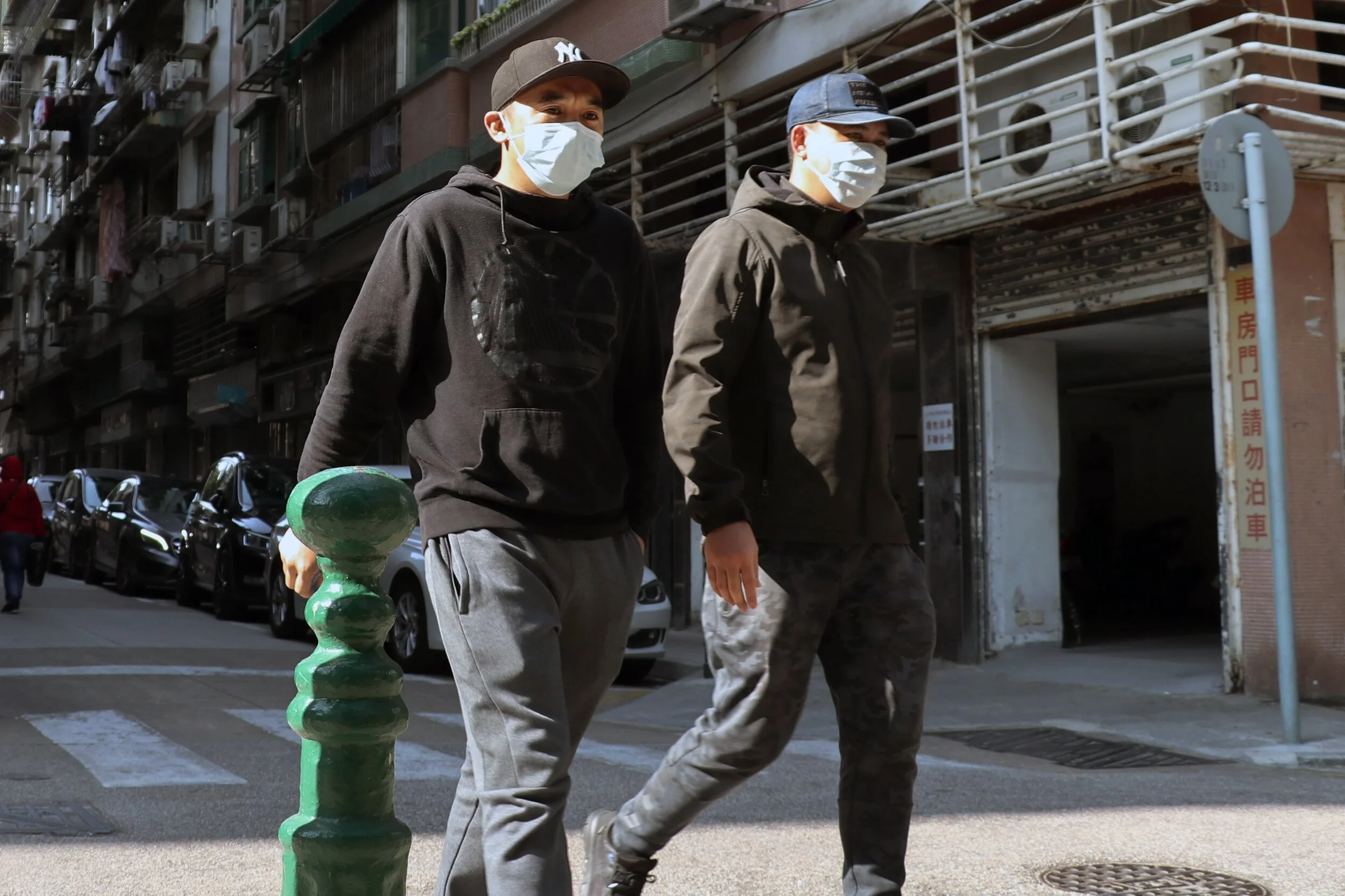
Last time, we looked at some of the resources that are available to help busy parents encourage the faith of their children while they’re home from school with too much time on their hands. Pouring Scripture into your children gives them a foundation to begin thinking biblically about life and the world around them. But we also need to talk to them about the crisis itself. Chances are that some of your children may feel that COVID-19 is more of an annoyance than a crisis right now. Until you’re actually faced with the physical or economic pain of the pandemic, it may just feel like an inconvenience. Now is the time to prepare for when your family may feel that pain a little more personally. I was reflecting on how we talked with our own children about the earthquake and resulting nuclear meltdown in Japan when I came across an excellent article by Sandy Galea giving 7 Tips When Talking To Kids About Coronavirus. Let me share some of the things I learned from her article and illustrate how we saw them play out in what we experienced.
These are not easy days to be a parent of young children. Having kids home for summer holidays can be difficult enough to plan for, but the COVID-19 school closures were too sudden to allow for planning and there are no camps to send them to or programs to enrol them in. Educators are doing what they can to provide online learning options and, as a church, we’re working to launch an online children’s ministry for our families. But still, many parents see this time as an opportunity to invest in their children’s faith and discipleship and are looking for tools and resources to help. The best place to start is the Bible itself. There’s nothing that can replace reading the Bible to your children and helping them to read it for themselves. You want to make sure that your children’s Bibles are well worn. But as you do that, you may want to supplement the Bible reading. Let me share what I feel are some of the best free materials available right now to encourage your child’s spiritual growth.
Tim Challies recently chronicled, “How the Church Worshipped on One of the Most Unusual Sundays in Church History.” People all around the world were gathered in front of laptops and television screens as preachers spoke into cameras and phones. God’s Word was being proclaimed through YouTube, Facebook, and Zoom. It was a wonderful display of the flexibility and unstoppable power of the church. It was an important start. And if COVID-19 was going to be over in a week or two, that would probably be enough. But there’s more that’s needed if we’re going to ride out this pandemic over the long haul. Let me give some suggestions for how we can be the church in the midst of this global pandemic.
The actor, Jared Leto, recently emerged from a silent meditation camp only to learn that COVID-19 had become a global pandemic. After close to two weeks in a desert retreat, it was a shock for him to learn what had happened while he had been unplugged. With the constant barrage of troubling news reports and alarming developments, escaping to a desert hideaway may sound tempting. Meditation sounds like it may help deal with the uneasiness that many people are feeling. But does the Bible say anything about meditation? Is meditation Christian? And, if so, is it any different than Hindu and Buddhist forms of meditation?
I’ve enjoyed getting to know Michael and Nami of “Mike & Nami +.” They’re thoughtful Christians who have made their mark and their living on Instagram and YouTube. We invited them to speak recently at our church on the theme, “Journey From Online Addiction to Online Business.” They helped me to understand some of the dynamics involved in digital addiction and also some of the factors that can help in a person’s recovery. Their story is one of hope not only because they both radiate vitality and joy, but because they have seen such dramatic change in their lives.
Prayer is often criticized by people who don’t pray. Part of the criticism comes from unbelief and an unwillingness to see value in unseen things. But part of the criticism comes from the perception that people pray as a cop-out. Instead of doing something, they ‘pray about it.’ I think the criticism is well-founded. But the problem isn’t with prayer; it’s with a passive approach to prayer that asks God to adjust His behaviour when we’re not willing to evaluate our own. When we pray, we should ask whether our prayers have legs, in other words, whether we’re willing to do our part and examine our behaviour. Sometimes, God may ask us to be the answer to our prayers. He may also reveal actions and attitudes that are hindering our prayers. Rightly understood, prayer is active, not passive. Consider the way the Bible describes the connection between our prayers and our actions.
I had a friend whose prayers made me uncomfortable. Listening to them praying often made me feel like I had walked in on an argument between two close friends. They’d say things like, “I’m pretty mad at you right now, Lord,” and, “I get so frustrated wondering what on earth you’re doing!” The emotions were raw and unfiltered. There was anger, impatience, sadness and pain. And when there was joy and gratefulness, you knew it was coming from the heart. Their prayers made mine feel very polite and superficial, in comparison. They made me question the depth of my prayers and the freedom I felt in my relationship with God. While this kind of prayer has a time and a place, if we never learn to talk to God honestly about the depths of what we think and feel, then we’ve probably never really learned to pray. There are several reasons that God seems to prefer honest prayers to polite ones.
Today's post is by guest contributor, Christian Clement-Schlimm. He gives an inside look at a corner of the internet to be aware of.
The internet is a useful tool for Christians. Through the internet, Christians now have easy access to a wide variety of Bible translations, commentaries, sermons, and Christian blogs and podcasts. Another helpful thing the internet provides Christians is internet chatrooms. While some of you may not have heard of them before, I have made and continue to make great use of these online meeting spaces. Through chatrooms on platforms like Facebook, Reddit, and Discord, I have connected and conversed with many hundreds of Christians from various parts of the world and Christian denominations across the spectrum. We have shared edifying insights, helpful resources, and unique perspectives which we would not have had access to apart from this online fellowship. But while I love all the useful tools that the internet provides me as a Christian, I was in for a surprise with what I experienced from the chatrooms. Let me share some of the lessons God taught me along the way.
Many people get tongue-tied giving thanks before a meal and feel that their prayers run out of steam (and words!) after just a few minutes. While it’s true that just praying helps you get more comfortable and natural in prayer, I believe that God has given the prayers of Scripture to not only teach us to pray but to guide our prayers. They give us words to express our thoughts and desires to Him.
Today, it’s more common to hear about people fasting for non-religious reasons than for religious ones. The 5:2 diet, the 16/8 method and the warrior diet all incorporate fasts with an aim to weight loss and improved health. But the popularity of the methods may outweigh the actual research of their health benefits. Regardless, it probably says something about our culture that people are more apt to fast for their body than they are for their soul. In the Bible, fasting simply involves voluntarily going without food for a day or more in order to set aside time for prayer and express your hunger for God and desperation to hear from Him. If you haven’t been introduced to biblical fasting, or if it’s been a while since you fasted yourself, let me give you some encouragements from Scripture.