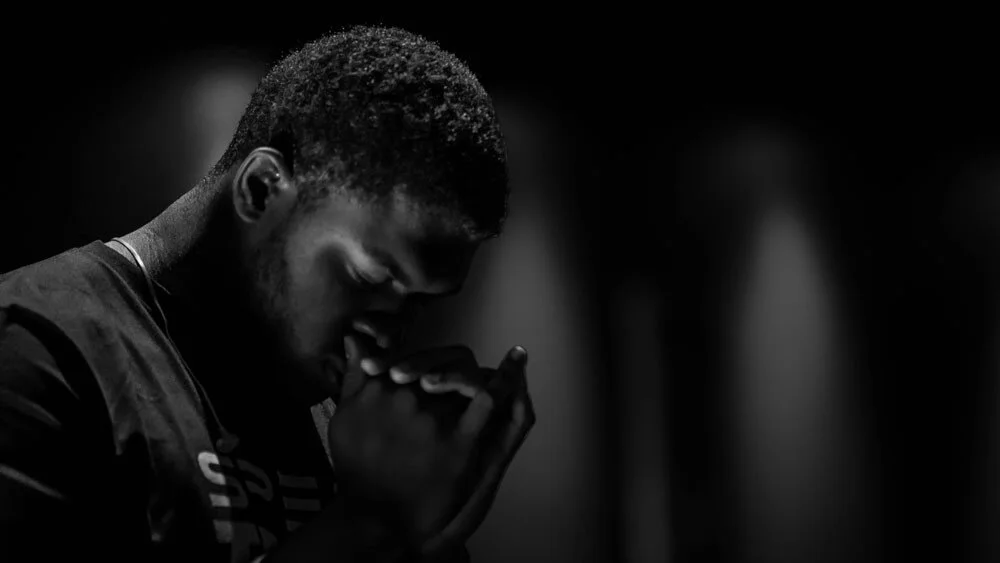
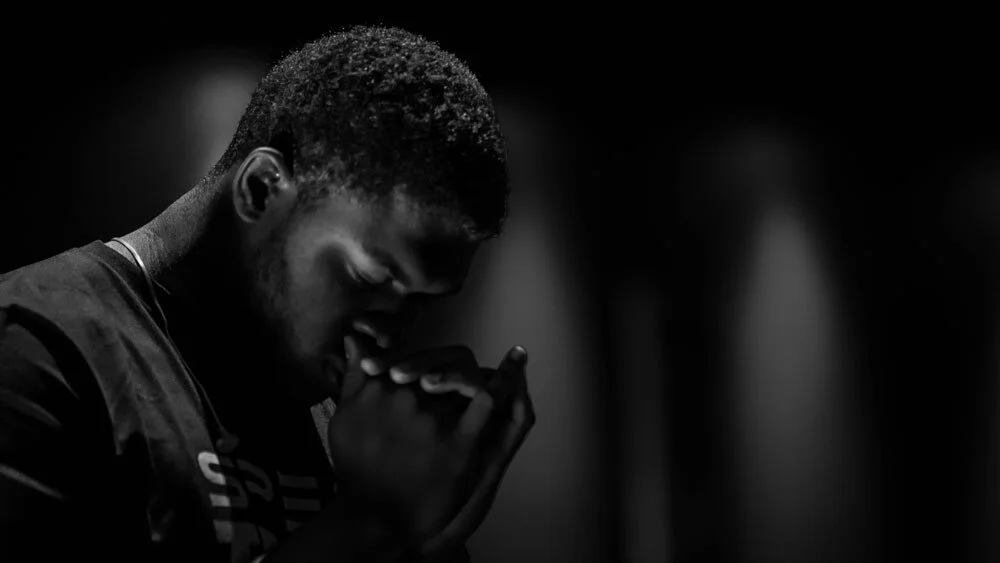
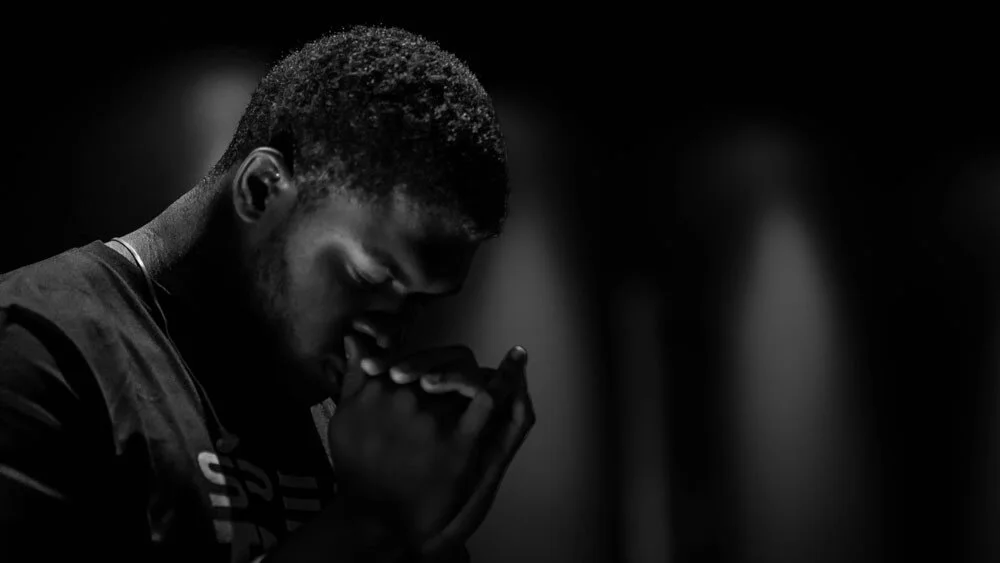
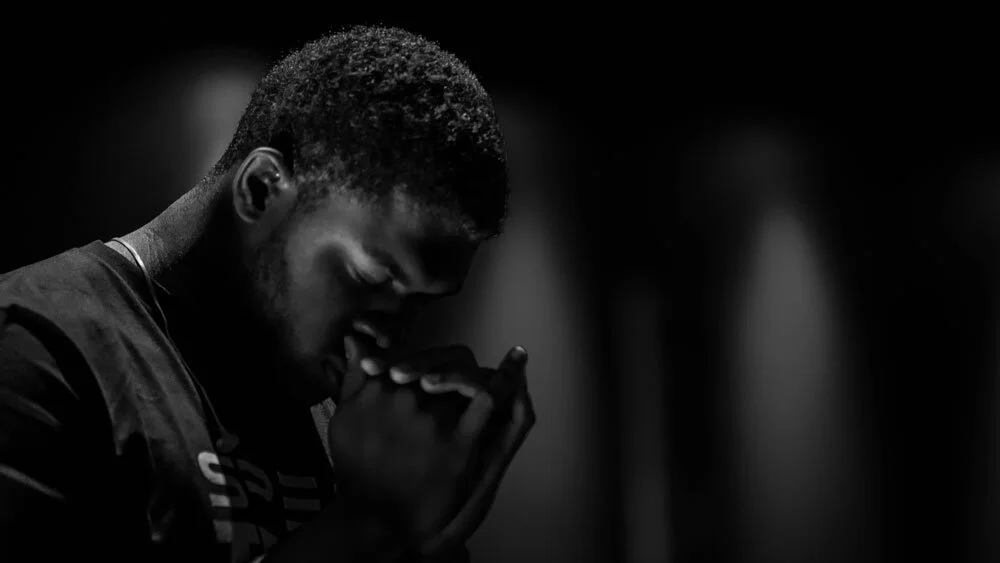
Sometimes life can feel as if it’s cursed. We look around at how easy things come for other people and it feels as if we’re being left behind. We’re on the B team, forever sitting on the bench, never able to play. The Bible presents a prayer of someone who was made to feel like he was on the B team. And God’s answer to that prayer gives us hope for what God could do in our lives.
1 Chronicles 4:9-10 // [outline]
Parents are busier and more stressed than ever. But in our race to help our children lead happy, successful lives, we can lose sight of what’s most important. This message looks at a simple prayer for parents and what it can teach us about how to pray for our parenting and see the role that God has given us through His eyes.
Passages like the Lord’s Prayer can teach us what God wants us to pray about, but we can still be left wondering how. Our prayers can be timid and hesitant or flippant and casual. After Jesus taught His disciples what to pray, He also taught them how to pray. And the attitudes He encourages us to bring to prayer are both counter-intuitive and life-changing. This message looks at the boldness, persistence and confidence that God encourages in our prayers and what He’s seeking to do in our lives and our relationship with Him as we pray like this.
Luke 11:5-13 // [outline]
Prayer is an almost universal experience. Just about everybody has times in their life when they call out to God. But prayer is like marriage: it’s easier to start than it is to figure out. This message looks at what we can learn from the world’s most famous prayer, Jesus’ response to his followers’ desire to be taught how to pray.
Matthew 6:9-13 // [outline]
The good news of the Bible is that, because of Jesus’ death on our behalf, all people of all backgrounds can freely receive His forgiveness through repentance and faith. But people can subtly add conditions to that free grace and turn it into something else. And the problem is that we’re tempted to do the same! This message looks at a man named Gehazi whose greed and prejudice risked corrupting the grace of God.
2 Kings 5:20-27 // [outline]
How do you respond to God’s blessings in your life? Some people take them for granted. Other people try to even accounts with God. But the Bible paints a different picture of how we can honour God for His grace in our lives. This message looks at a Syrian general’s response to God’s healing and teaches us how to respond to God’s grace.
2 Kings 5:15-19 // [outline]
Sometimes we look to God and it feels like He’s turned His back on us. Other times we struggle to understand why He doesn’t do what we ask Him. This message looks at God’s dealing with a Syrian general who wanted healing and shows that there are good, divine purposes behind some of our disappointments with God.
2 Kings 5:8-14 // [outline]
In this passage, the king of Israel is powerless and the Syrian general is helpless. Ironically, the most powerful person is a Jewish slave girl. Although she’s been kidnapped, she knows the power of God and so lives with freedom and confidence.
2 Kings 5:1-7 // [outline]
Everyone is busy. And even when we get some time off, we struggle to feel rested. Jesus promised that He could provide rest for our souls. But that rest comes as He deals with the heart issues that rob our rest. This message looks at how we can experience the deep rest that Jesus promises.
Matthew 11:28 -30 // [no outline]
There are many surprises in the Christmas story, but perhaps nothing quite as surprising as who shows up for the birth. The wise men who bring gifts for the baby are the most unlikely worshippers of the Christ child and the obstacles they overcame to get to Him inspire our own journey of hope. This message looks at what the wise men teach us about overcoming the obstacles that keep us from true worship.
Matthew 2:1-12 // No outline
When we depict the Christmas story in carols and cards, we remember the angels, shepherds, manger and wise men. But the birth of Jesus took place under the threat of a king intent on killing Him and in the shadow of the unspeakable loss that the king’s paranoia and rage brought about. This message looks at what has been called Herod’s, “slaughter of the innocents,” and how it speaks hope into the despair that can often accompany the holidays.
Matthew 2:13-23 // [outline]
The stage is set for the birth of the Messiah, but the baby is in danger of being abandoned. In order to accept Jesus, Joseph has to deal with ridicule from others, his own preconceptions and the fact that he will no longer be in control. To receive Jesus’ work in our lives today, we face the same challenges. This message looks at how Joseph responded to the obstacles that almost kept him from accepting Jesus and how we can overcome them ourselves.
Mathew 1:18-25 // [outline]
Most people don’t advertise their past unless there’s something remarkable about it. And if there are skeletons in the closet, we certainly don’t want them to get out. But Matthew begins his presentation of the Christmas story with a stunning family tree that deepens our understanding of who Jesus is and what He came to accomplish. This message examines how Jesus fulfills the promises to Abraham and David and has the grace to transform those whom the world would hide and exclude.
When people claim to speak for God or someone brings us a word from the Lord, how are we to respond? Is there anything we can do to evaluate whether it’s truly God speaking? Or should we just be more open and not quench the Holy Spirit? This message looks at Paul’s instructions for evaluating prophets and prophecy.
1 Corinthians 14:29-33 // [outline]
Through the internet and the ease of international travel, we’re closer to one another than we’ve ever been. And yet, at the same time, we’re experiencing more and more division. It’s ironic that one of humanity’s greatest accomplishments, the Great Wall of China, is a barrier designed to separate people. And whether in politics, religion, morality or race, we see growing tensions more than we do the reduction of them. This message looks at what God is doing to heal our divisions. And in so doing, it digs into a passage that teaches us about the role of apostles and prophets in God’s plan for the world.
Ephesians 2:18-22 // [outline]
Discerning God’s will can be difficult. And even when God speaks, the voice of comfort can drown Him out. Today’s message looks at a prophet who declared God’s will to the apostle Paul and how the people around him struggled to accept it. It helps us to understand the nature of New Testament prophecy and how we can discern and pursue the will of God.
Acts 21:10-14 // [outline]
The Day of Pentecost saw the birth of the church and the transformation of God’s people by the Holy Spirit. But it was a strange event. Luke records rushing wind and fire and the onlookers wondered whether the disciples were drunk. This message looks at what we can learn from what happened at Pentecost.
Acts 2:16-21 // [outline]
Today, people claim to get messages from the Lord. People will share things as if God is speaking through them. What do you do when someone gives you a prophecy? Is there a way of discerning whether the message is really from God? Today, we begin a series on prophecy by looking at some ground rules Moses laid down for discerning and dealing with prophets and prophecy.
Deuteronomy 13:1-5; 18:15-22 // [outline]
We live in a time where good news is rare. The timeless gospel message is good news. Christians sometimes forget how good the good news really is. How do we best share this good news in an age of spiritual barrenness? We’ll investigate an Old Testament story to learn pointers on how to extend a kind of love that “stoops.”
2 Samuel 9:1-13 [outline]
Productivity experts tell us to begin with the end in mind. But as we consider the kind of legacy we hope to leave behind, many of the things that we worry about will matter very little. And other things will take on a totally different significance. This message looks at the end of a great king’s life and considers what we can learn from what was remembered and what wasn’t remembered about him.
2 Kings 23:28-30 // [outline]