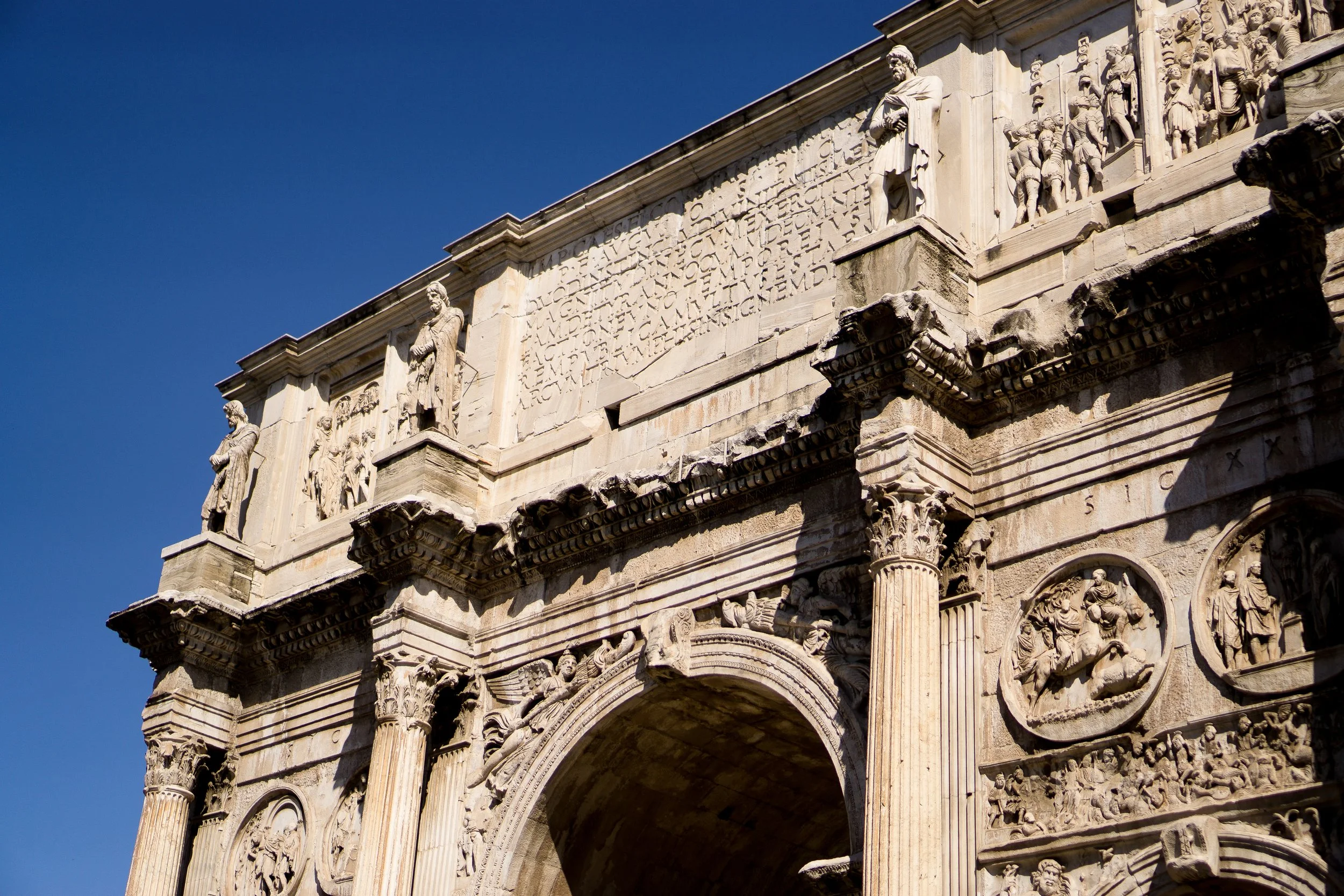

In 325 AD, Constantine, the Roman Empire’s first Christian Emperor, assembled over 300 church leaders to try and resolve an issue that threatened to divide the church. Bishops came from as far away as Persia, Gaul, and North Africa. What they affirmed about the nature of God has become the definitive statement of Christian belief for the last 1700 years.
Even if you’ve never read the Nicene Creed, you’ve probably been taught language from it because its influence is so foundational. Let’s look at the creed and consider why it’s so important.
The context of the Nicene Creed
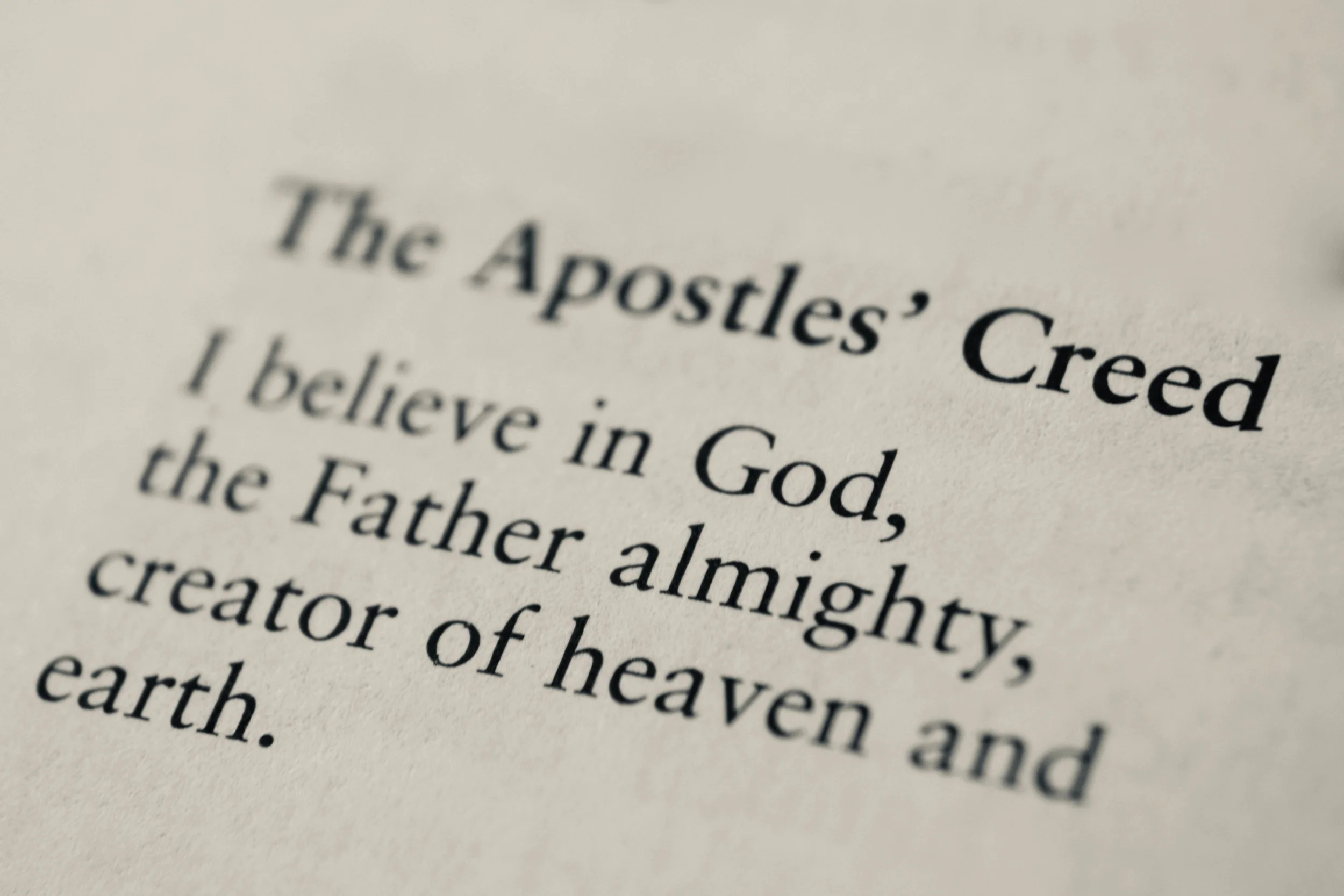
Comparing the Nicene Creed to the Apostles’ Creed I walked through last week helps to explain its focus. Whereas the Apostles’ Creed calls Jesus the Son of God and details His birth, death, resurrection, and ascension, it doesn’t clarify the sense in which He can be both God and man. A church leader named Arius argued from certain Scriptures that Jesus was great and glorious but created by the Father and therefore inferior to Him. The Nicene Creed aimed to answer his objections. The creed was then refined and restated at Constantinople in 381 as new groups denied the deity of the Holy Spirit and questioned the full humanity of Jesus.
The creed clarifies how we understand Jesus
The critical line in the creed concerning Jesus says:
We believe in one Lord, Jesus Christ, the only Son of God, eternally begotten of the Father, God from God, Light from Light, true God from true God, begotten, not made, of one Being with the Father; through him all things were made.
You’ll notice that the word “begotten” appears twice. In the Bible, Jesus is frequently referred to by a Greek term that can be translated as “begotten” or “one and only” (John 1:14, 18; 3:16, 18; 1 John 4:9).
In John 3:16, for instance, it says God gave “his only Son” (ESV) or “his only begotten Son” (KJV). Does this mean that Jesus was created by the Father at a certain point in time? No, they answered, Jesus is “eternally begotten … not made.” In other words, Jesus has always been the Son. As Jesus said, “before Abraham was, I am” (John 8:58), and as Paul wrote of Him, “by him all things were created … he is before all things, and in him all things hold together” (Colossians 1:16-17).
The other important word in this line is “homoousios” translated as “one Being” as in “one Being with the Father.” Arius wanted to put “homoiusios” meaning “similar Being” as the Father, but the council disagreed. Jesus is “true God from true God.” As John 1:1 says, referring to Jesus as the Word: “In the beginning was the Word, and the Word was with God, and the Word was God.” The Son is God every bit as much as the Father is God because they share the same essence and being.
The creed clarifies how we understand the Holy Spirit
Whereas the Apostles’ Creed merely affirms belief in the Holy Spirit, the Nicene Creed describes more of who He is:
We believe in the Holy Spirit, the Lord, the giver of life, who proceeds from the Father [and the Son], who with the Father and the Son is worshiped and glorified, who has spoken through the prophets.
Each of these descriptions of the Holy Spirit comes directly from Scripture. Paul said, for example, “the Lord is the Spirit” in 2 Corinthians 3:17, and Jesus said, “It is the Spirit who gives life” in John 6:63 and “the Spirit of truth… proceeds from the Father” in John 15:26. Similarly, the author of Hebrews introduces a quote from the Psalms by saying, “as the Holy Spirit says” (Hebrews 3:7). These descriptions help us to see that the Holy Spirit is both one God with the Father and the Son, but also a distinct person with unique roles.
The phrase “and the Son” (Latin “filioque”) is in brackets because it was not part of the original text of 325 or 381 but added by the Western church more than 200 years later.
The Nicene Creed protected the church during a time of confusion and controversy, and it can continue to guard us today. Its careful language clarifies essential truths and helps us recognize error. Reflecting on the creed helps align us with believers around the world throughout history and fuels our wonder at the nature of the God who saved us. In a fractured age, these ancient words bind us together in the worship of the one God in three persons.
You can read the full text of the Nicene Creed below.
In awe of Him,
Paul
The Nicene Creed
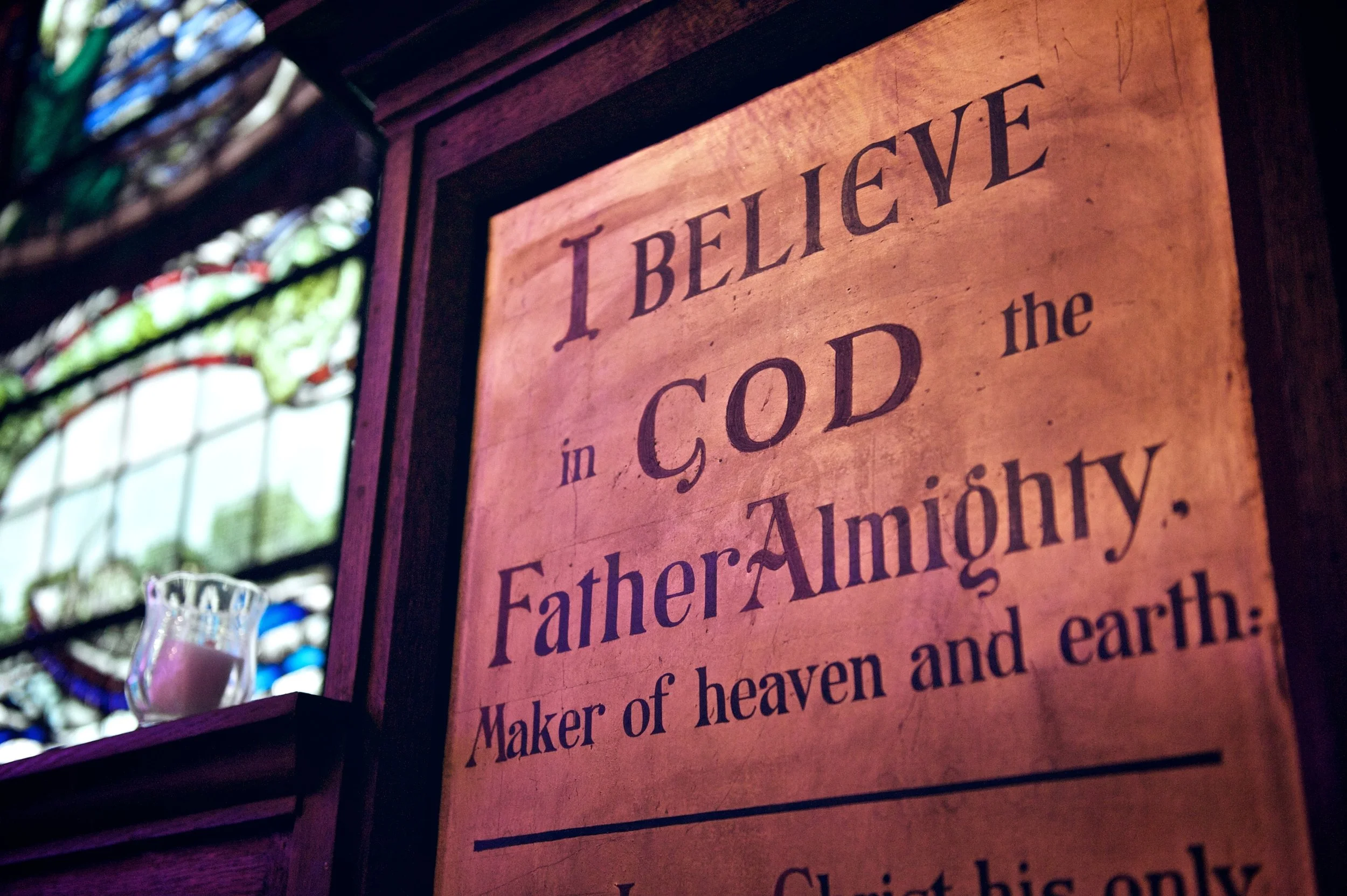
We believe in one God, the Father, the Almighty, maker of heaven and earth, of all that is, seen and unseen.
We believe in one Lord, Jesus Christ, the only Son of God, eternally begotten of the Father, God from God, Light from Light, true God from true God, begotten, not made, of one Being with the Father; through him all things were made. For us and for our salvation he came down from heaven, was incarnate of the Holy Spirit and the Virgin Mary and became truly human. For our sake he was crucified under Pontius Pilate; he suffered death and was buried. On the third day he rose again in accordance with the Scriptures; he ascended into heaven and is seated at the right hand of the Father. He will come again in glory to judge the living and the dead, and his kingdom will have no end.
We believe in the Holy Spirit, the Lord, the giver of life, who proceeds from the Father [and the Son], who with the Father and the Son is worshiped and glorified, who has spoken through the prophets.
We believe in one holy catholic and apostolic Church. We acknowledge one baptism for the forgiveness of sins. We look for the resurrection of the dead, and the life of the world to come. Amen.