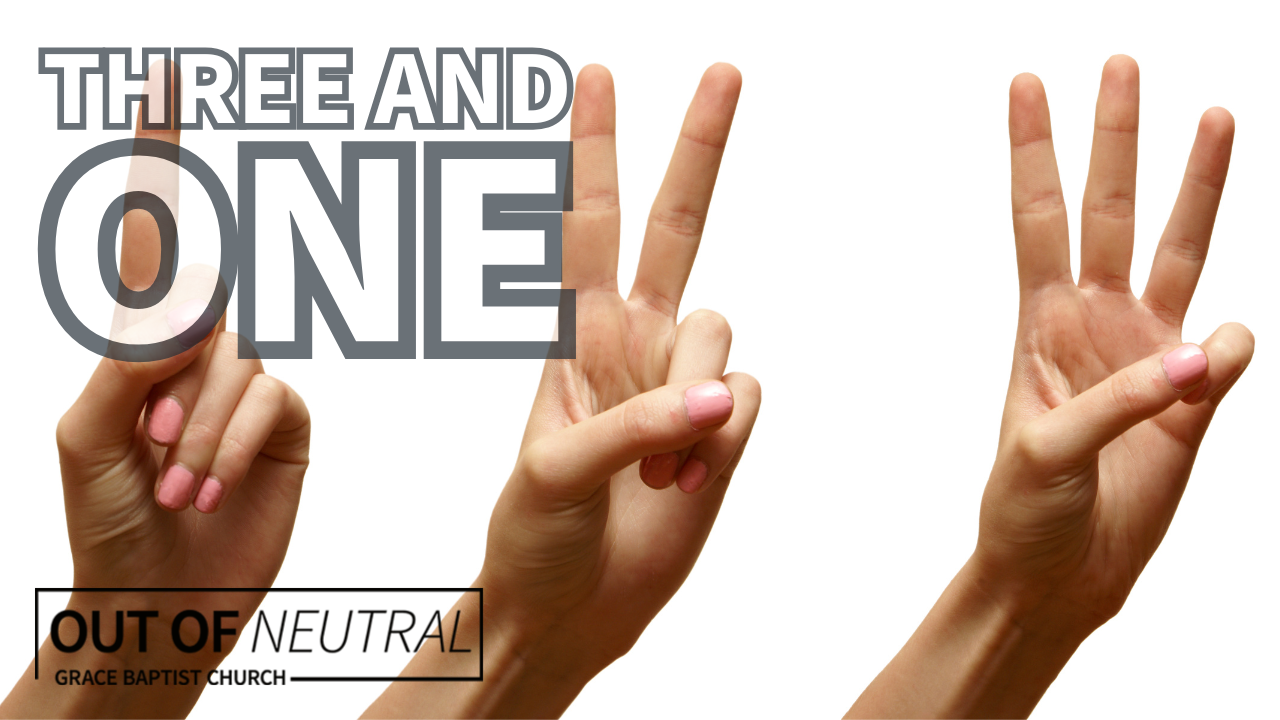
Christians today still wrestle with the same question that shook the early church: Who exactly is God? This is a question that was addressed by one challenge after another for the first 500 years of the church. How could God be three and one at the same time? How could Jesus be both God and man? These struggles refined the church’s understanding of God. By thinking deeply about the objections, Christians were driven back to the Scriptures and forced to develop clear ways of expressing complex truths. The Athanasian Creed is a product of that struggle.
Mistakes they worked hard to avoid
When we don’t bother to reflect on the lessons the early church learned, we often end up repeating the mistakes they worked so hard to avoid. They dealt with errors like:
Docetism: the idea that Jesus only appeared to be human;
Subordinationism: the belief that the Son and the Holy Spirit are inferior to the Father;
Arianism: the teaching that Jesus was a divine being created by the Father;
Macedonianism: the idea that the Holy Spirit wasn’t fully divine;
Partialism: the belief that the Father, Son, and Spirit are parts that make up the fullness of God; and
Modalism: the belief that God has different modes, sometimes acting as the Father, sometimes the Son, and other times the Spirit.
These errors might sound academic, but every one of them affects how we think about God’s love, His work in salvation, and His presence with us.
People make the same mistakes today
You hear Christians repeating similar things today. Some people compare the Trinity to water, which can appear as liquid, ice, or steam. This illustration reflects Modalism and denies the fact that the members of the Trinity are distinct persons rather than just different hats worn by the one person. Others compare the Trinity to an egg or a three-leaf clover, with the three parts making up the whole. But this is Partialism and denies that each member of the godhead is 100% God, not just 33%. Jehovah’s Witnesses challenge the divinity of the Son (Arianism), and Muslims accuse Christians of worshipping three gods. The Athanasian Creed helps address these also.
The Father, Son, and Spirit are three distinct persons but one being
The Athanasian Creed has two main sections, the first on the Trinity in general and the second on Jesus in particular. The first section contains the following statement:
That we worship one God in trinity and the trinity in unity, neither blending their persons nor dividing their essence. For the person of the Father is a distinct person, the person of the Son is another, and that of the Holy Spirit still another. But the divinity of the Father, Son, and Holy Spirit is one, their glory equal, their majesty coeternal.
It describes God as both a Trinity and a unity. He is the three-in-one, Triune God. That doesn’t mean that God is a “blending” of a little bit of the Father, a little bit of the Son, and a little bit of the Holy Spirit. God isn’t stitched together from various parts but rather a single being comprised of three persons. The last line clarifies that the persons of the Trinity possess the same divinity and equal glory. There is no greater than or less than in the godhead. And it has always been that way. When it says, “their majesty coeternal,” it’s making the point that the glory the members of the Trinity share has existed since eternity past.
Jesus is fully God and fully human
In the section clarifying Jesus’ nature, it says:
He is God from the essence of the Father, begotten before time; and he is human from the essence of his mother, born in time; completely God, completely human, with a rational soul and human flesh; equal to the Father as regards divinity, less than the Father as regards humanity.
Although he is God and human, yet Christ is not two, but one. He is one, however, not by his divinity being turned into flesh, but by God's taking humanity to himself. He is one, certainly not by the blending of his essence, but by the unity of his person. For just as one human is both rational soul and flesh, so too the one Christ is both God and human.
Jesus was begotten before time but born in time as a human. Jesus is “completely God, completely human.” It mentions the fact that Jesus has a “rational soul” as a way of showing that Jesus is not just a divine actor wearing a costume. He is human in every way, but without sin.
When it says that “Christ is not two, but one,” it means that He is 100% God and 100% man without being 200%. That might make strange math, but it does represent what the Scriptures teach. And we shouldn’t be surprised. It’s not hard to believe that a God who can create the universe would be more complex than we are.
The Athanasian Creed shows why precision matters. When we get God wrong, it taints all of our thinking. When we confess Him clearly, it honours the Word He’s given us. If you’ve ever been confused about how Jesus could be both God and man, or how the Trinity avoids being “three gods,” this creed can help. Read it slowly, line by line. The truth it protects is the truth that stirs our wonder.
You can read the full text of the Athanasian Creed at the end of this post.
In awe of Him,
Paul
Athanasian Creed
Whoever desires to be saved should above all hold to the catholic faith. Anyone who does not keep it whole and unbroken will doubtless perish eternally. Now this is the catholic faith:
That we worship one God in trinity and the trinity in unity, neither blending their persons nor dividing their essence. For the person of the Father is a distinct person, the person of the Son is another, and that of the Holy Spirit still another. But the divinity of the Father, Son, and Holy Spirit is one, their glory equal, their majesty coeternal.
What quality the Father has, the Son has, and the Holy Spirit has. The Father is uncreated, the Son is uncreated, the Holy Spirit is uncreated. The Father is immeasurable, the Son is immeasurable, the Holy Spirit is immeasurable. The Father is eternal, the Son is eternal, the Holy Spirit is eternal. And yet there are not three eternal beings; there is but one eternal being. So too there are not three uncreated or immeasurable beings; there is but one uncreated and immeasurable being.
Similarly, the Father is almighty, the Son is almighty, Holy Spirit is almighty. Yet there are not three almighty beings; there is but one almighty being. Thus the Father is God, the Son is God, the Holy Spirit is God. Yet there are not three gods; there is but one God. Thus the Father is Lord, the Son is Lord, the Holy Spirit is Lord. Yet there are not three lords; there is but one Lord. Just as Christian truth compels us to confess each person individually as both God and Lord, so catholic religion forbids us to say that there are three gods or lords.
The Father was neither made nor created nor begotten from anyone. The Son was neither made nor created; he was begotten from the Father alone. The Holy Spirit was neither made nor created nor begotten; he proceeds from the Father and the Son. Accordingly there is one Father, not three fathers; there is one Son, not three sons; there is one Holy Spirit, not three holy spirits. Nothing in this trinity is before or after, nothing is greater or smaller; in their entirety the three persons are coeternal and coequal with each other. So in everything, as was said earlier, we must worship their trinity in their unity and their unity in their trinity.
Anyone then who desires to be saved should think thus about the trinity. But it is necessary for eternal salvation that one also believe in the incarnation of our Lord Jesus Christ faithfully. Now this is the true faith:
That we believe and confess that our Lord Jesus Christ, God's Son, is both God and human, equally. He is God from the essence of the Father, begotten before time; and he is human from the essence of his mother, born in time; completely God, completely human, with a rational soul and human flesh; equal to the Father as regards divinity, less than the Father as regards humanity. Although he is God and human, yet Christ is not two, but one. He is one, however, not by his divinity being turned into flesh, but by God's taking humanity to himself. He is one, certainly not by the blending of his essence, but by the unity of his person. For just as one human is both rational soul and flesh, so too the one Christ is both God and human.
He suffered for our salvation; he descended to hell; he arose from the dead; he ascended to heaven; he is seated at the Father's right hand; from there he will come to judge the living and the dead. At his coming all people will arise bodily and give an accounting of their own deeds. Those who have done good will enter eternal life, and those who have done evil will enter eternal fire.
This is the catholic faith: one cannot be saved without believing it firmly and faithfully.
* The term “catholic" in “catholic faith” and “catholic church” doesn’t refer to the Roman Catholic Church in this document, but to the universal church, and the faith as it is held by Christians everywhere.